 Mushroom Health Hub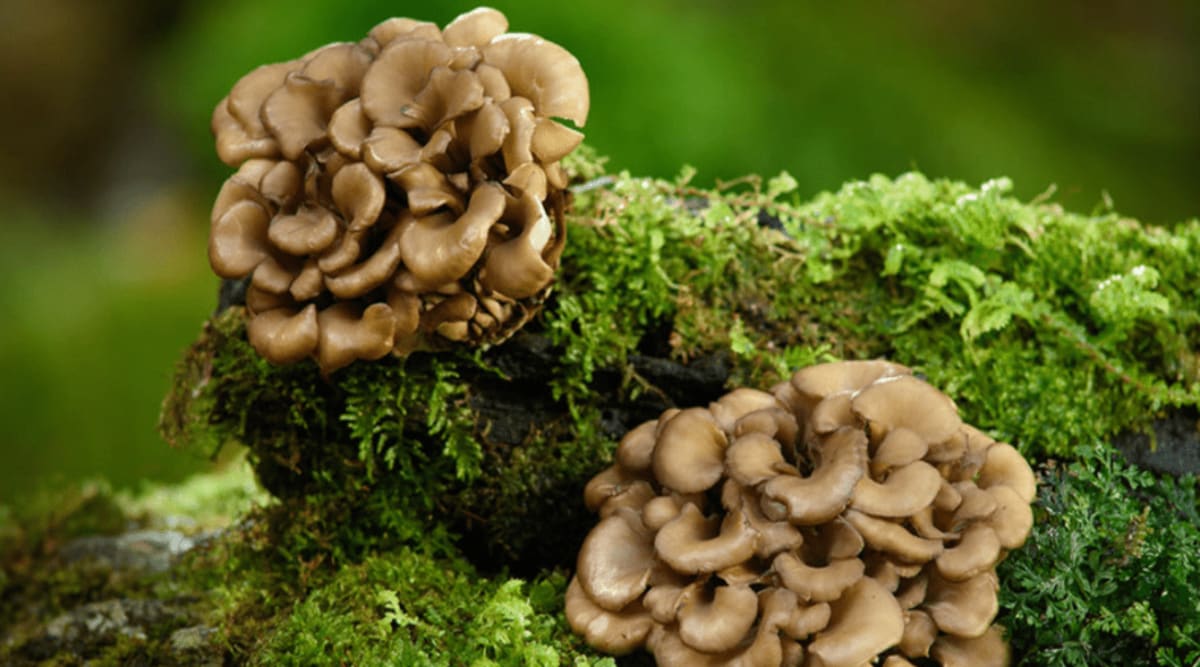
Maitake means "dancing mushroom" in Japanese. Legend says foragers danced with joy when they found it. The mushroom was that valuable. Now we know why.
The evidence is solid. Maitake has documented effects on blood sugar regulation and immune function, backed by clinical trials and a 2024 review in Heliyon that ranked it among the most medically relevant edible fungi. Its active compound D-fraction has been studied in cancer patients, with no dose-limiting toxicity found in phase I/II trials.
Maitake grows wild in northeastern Japan and parts of North America. You might know it as hen of the woods because the overlapping caps look like ruffled feathers. Fresh maitake tastes earthy and works well in stir-fries. The concentrated extracts deliver the strongest medicinal benefits.
What you need to know
- 1Maitake D-fraction and SX-fraction are the most studied bioactive compounds
- 2Clinical research shows potential for blood sugar regulation and insulin sensitivity
- 3Beta-glucans in maitake activate immune cells including natural killer cells and macrophages
- 4A 2024 study found maitake enhanced the effectiveness of cancer treatments in lab settings
- 5Most benefits require consistent daily use over several weeks
Affiliate Disclosure: Mushroom Health Hub earns commissions from qualifying purchases made through links on this page. This supports our lab testing and does not affect our recommendations. We only recommend supplements that pass our quality standards. Learn more
Immune system support and beta-glucans
Maitake is packed with beta-glucans. These complex polysaccharides interact directly with immune cells.
The D-fraction extract has been studied most extensively. In a phase I/II trial with breast cancer patients, researchers found no dose-limiting toxicity and measured immunological improvements. Natural killer cell activity increased. The immune system responded more efficiently to challenges.
A 2022 study found that Maitake Pro4X recovered over 42% of depleted immune cell populations in immunosuppressed mice. The mechanism involves receptor binding. Beta-glucans latch onto Dectin-1 receptors on immune cells and trigger activation cascades that wake up macrophages, neutrophils, and dendritic cells. That is a specific, documented pathway, not a vague "immune boost."
Recent research from 2024 showed maitake beta-glucan enhanced the effectiveness of trastuzumab in HER2-positive breast cancer cells. This is preliminary lab work, not a cure. But it suggests maitake may have a supporting role alongside conventional treatments. Always consult your oncologist before adding supplements to cancer care.
Blood sugar regulation and metabolic effects
The blood sugar data on maitake is more developed than most functional mushrooms. A water-soluble SX-fraction extract lowered circulating glucose by roughly 25% in diabetic mice. Seven type 2 diabetics in a pilot trial all experienced fasting glucose drops within two to four weeks on the same fraction. No placebo group. That is a real limitation. But the direction is consistent across animal and human data, which is more than most mushrooms can say.
The mechanism is cleaner than most adaptogens. Alpha-glucans in the fruiting body inhibit enzymes that break down carbohydrates, which slows the glucose spike after meals. Cells also respond better to insulin signals, pulling glucose out of circulation faster. That dual action on both digestion and uptake is why maitake outperforms single-mechanism glucose supplements in animal comparisons.
If you have diabetes or pre-diabetes, maitake supplements are not a replacement for medication. Talk to your doctor. Track your numbers carefully if you decide to try it. Drug interactions with diabetes medications are possible. Cordyceps also shows blood sugar benefits through different mechanisms, and some people combine both mushrooms for metabolic support.
Cardiovascular and cholesterol effects
The cardiovascular evidence is thinner than the immune and glucose research. Worth knowing that upfront.
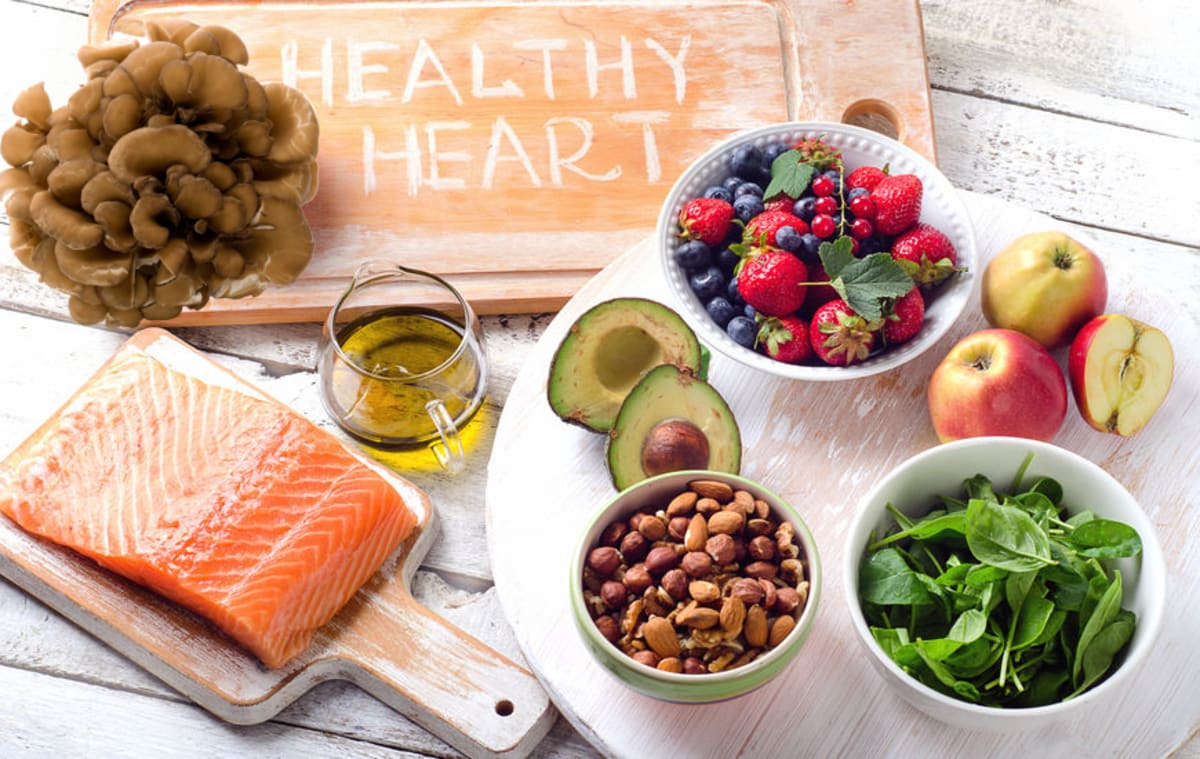
What exists looks reasonable. The SX-fraction reduced blood pressure in diabetic rats. Beta-glucans in general (and maitake has high concentrations) bind bile acids in the gut, which forces the liver to pull cholesterol from circulation to make more. That is the same basic mechanism behind oat beta-glucan, which has FDA backing for cholesterol claims.
A 2023 study isolated polysaccharides from maitake showing anti-inflammatory activity in cell cultures. Chronic vascular inflammation is a major driver of arterial disease, so this finding matters if it holds up in human studies. It has not yet.
Traditional Japanese and Chinese medicine used maitake specifically for hypertension. The historical use is consistent and geographically widespread, which at minimum suggests the folk observation is real even if the mechanism was not understood.
Gut health and the microbiome
This is where the 2025 research gets interesting.
A study published in Molecular Nutrition & Food Research found maitake attenuated severe colitis in vitamin D-deficient mice. The researchers tied the effect to improved gut barrier function and reduced local inflammation. Two separate pathways, one mushroom.
The older prebiotic data supports it. A 2019 study found maitake polysaccharides improved microbiota composition in diabetic mice, increasing beneficial bacteria while reducing harmful strains. Beta-glucans survive digestion in the upper gut intact, then ferment in the colon where bacteria feed on them. The glucose improvements in that study were partially attributed to the microbiome shift.
For IBD or serious gut conditions, maitake is not a treatment. But for general digestive function, the mechanism is sound and the research is consistent.
Potential cancer research applications
Maitake D-fraction has more cancer-adjacent research than most functional mushrooms. The compounds are biologically active. The clinical picture is still forming.
Phase I/II trials confirmed safety in cancer patients and measured real immunological shifts. A Memorial Sloan Kettering study found D-fraction raised natural killer cell activity and tumor necrosis factor production in breast cancer patients. Nobody manufactured those numbers.
The 2024 trastuzumab research is the most recent signal. Maitake beta-glucan enhanced the cancer-killing effect of the drug through antibody-dependent cellular cytotoxicity in cell cultures. The combination outperformed either agent alone.
Biological activity in lab settings and immune parameter changes in small trials are a long way from clinical proof. If you have cancer, tell your oncologist you are considering it. Some supplements interfere with treatment. Your care team needs the full picture.
How to use maitake supplements
Clinical studies used between 1 and 3 grams of dried extract daily. A practical starting point is 1 gram in the morning, adding a second gram in the evening after two weeks if you want to match the higher end of the research range. D-fraction protocols used smaller amounts of concentrated extract (sometimes just 20-40 mg) because the bioactives are more dense.
Forms matter for how it fits into your day.
- Fresh or dried mushrooms for cooking. The culinary form provides nutrition but lower concentrations of active compounds.
- Powdered extracts that mix into coffee, smoothies, or food. The taste is mild and earthy compared to more bitter mushroom powders like reishi.
- Capsules containing standardized extracts. Convenient for travel and precise dosing.
- Liquid tinctures using alcohol or glycerin extraction. Faster absorption but stronger taste.
Look for products that list fruiting body extract and beta-glucan percentage. Third-party testing helps. Some products use mycelium grown on grain, and that starch dilutes the actives and lowers potency considerably. Take it daily. The research consistently shows 4-6 weeks before anything measurable happens, so skipping days early on just delays the window.
| Form | Typical dose | Notes |
|---|---|---|
| Dried extract powder | 1-3 grams daily | Mixes into beverages |
| D-fraction liquid | 4-6 drops daily | Concentrated bioactives |
| Capsules | 1000-2000 mg daily | May need 2-4 per dose |
| Fresh mushrooms | 100-200 grams | Culinary, lower concentration |
Side effects and safety considerations
Clinical trials report few adverse effects. Mild digestive upset can happen at higher doses when starting out. A ramp-up over the first week (starting low, increasing gradually) usually prevents this.
Two groups need to think carefully before adding maitake. People with autoimmune conditions like lupus or rheumatoid arthritis face a theoretical risk of symptom worsening from the immune-stimulating effects. No studies test this directly, but the mechanism is plausible enough to warrant a conversation with your doctor.
Diabetics taking metformin or insulin should monitor glucose closely. Maitake lowers blood sugar. The drugs lower blood sugar. Stack them without awareness and hypoglycemia becomes a real risk. Same logic applies to blood pressure medications. Maitake affects blood pressure in animal models, and drug interactions are real.
No safety data exists for pregnancy or breastfeeding. Skip it during those periods.
Frequently Asked Questions
Related reading
- Cordyceps mushroom benefits for energy, endurance, and blood sugar support
- Reishi mushroom benefits for sleep, stress, and immune function
- Maitake supplements and products in our full mushroom guide

A dedicated wellness researcher who spent decades cataloging the impact of forest-based nutrition on human aging. Ashley doesn't care about trends; she cares about the data.
References & Further Reading
- Phase I/II trial of Grifola frondosa in breast cancer patients — PMC (2009)
- Unveiling the full spectrum of maitake mushrooms: medicinal and therapeutic potential — Heliyon (2024)
- Maitake Pro4X immune restoration in immunosuppressed mice — BMC Research Notes (2022)
- Maitake beta-glucan enhances trastuzumab via ADCC and CDC — PubMed (2024)
- Maitake attenuates colitis in vitamin D-deficient mice — Molecular Nutrition & Food Research (2025)
- Anti-obesity effects of Grifola frondosa glucan — PMC (2022)