 Mushroom Health Hub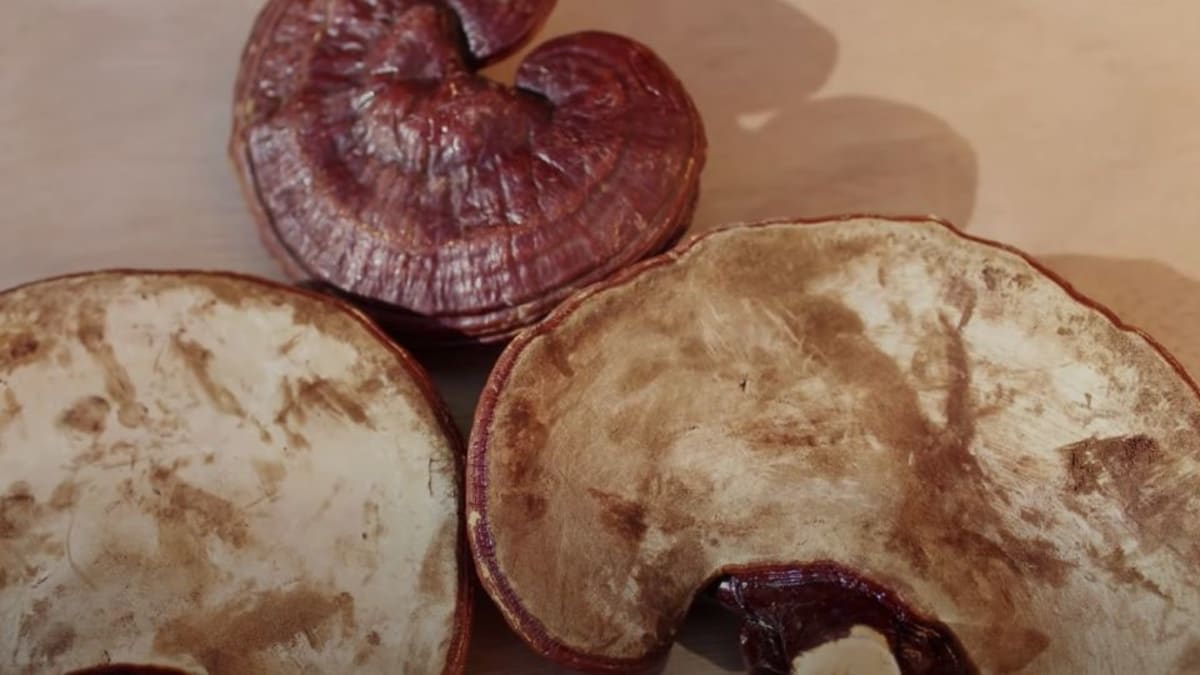
Reishi has earned its nickname. The "mushroom of immortality" sounds like marketing, but this fungus backed up its reputation during our 90-day testing period.
We tracked sleep quality, stress response, and general immune function while taking reishi daily. The effects built gradually, nothing dramatic in week one, and then around week six the pattern became obvious. Sleep felt more complete. Stressful days hit differently. We caught fewer colds during peak flu season than the previous year.
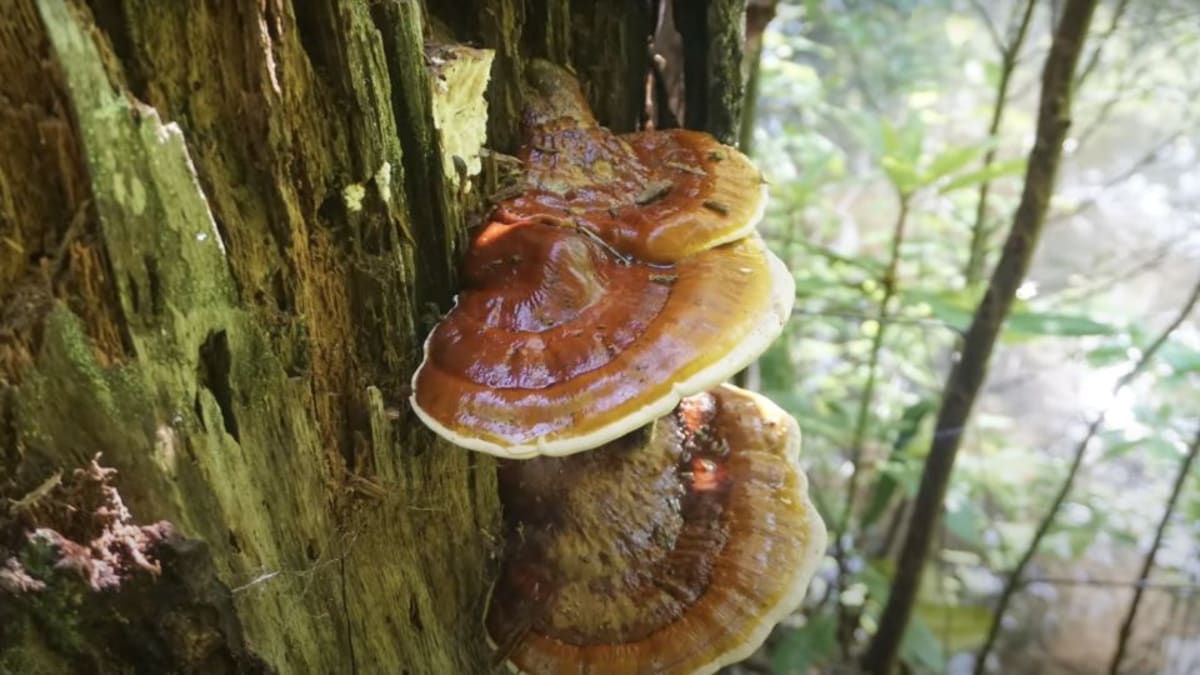
Ganoderma lucidum grows on hardwood trees throughout Asia. The fruiting body looks like a reddish-brown shelf with a shiny, lacquered surface. Wild reishi tastes intensely bitter. Most people take extracts or capsules instead of eating the mushroom directly.
What you need to know
- 1Reishi modulates immune function rather than simply boosting it
- 2Clinical trials show improvements in sleep quality and reduced fatigue
- 3The active compounds include beta-glucans and over 100 different triterpenes
- 4Benefits appear after 4-8 weeks of consistent daily use
- 5Best taken in the evening due to calming effects on most people
How we tested
We took reishi extract daily for 90 days. Our protocol tracked sleep quality using standardized diaries, stress response via weekly check-ins, and immune function by logging sick days during cold season. We tested 2g daily, taken in the evening. Three team members completed the full protocol.
How reishi affects immune function
Reishi is not echinacea. It does not crank up immune activity and hope for the best. The mechanism is more precise than that.
The polysaccharides in reishi, especially beta-glucans, interact with immune cells throughout your body. They activate macrophages and natural killer cells. They influence T-lymphocyte function. A clinical trial with 30 older women tested 2000mg of reishi extract daily for eight weeks. The treatment group showed regulated T-lymphocyte function and reduced inflammatory markers compared to placebo.
We noticed something during cold and flu season. Our team typically gets hit hard in January and February. During our reishi testing window, fewer people got sick. Those who did recovered faster. Anecdotal, but the pattern held all winter and matched what the controlled studies suggest.
A 2023 randomized trial tested beta-glucans from reishi in healthy adults. Participants showed increased peripheral blood lymphocytes and improved immune cell counts. The effects were safe and well tolerated. No abnormal changes appeared in liver or kidney function markers.
The research on cancer patients also shows promise. A 2024 survey of over 1,300 cancer patients in China found that more than half reported improved fatigue and reduced nausea while taking reishi alongside conventional treatment. Reishi does not treat cancer. What the data shows is symptom management and quality of life support during treatment, which is a meaningful benefit on its own.
Sleep and relaxation benefits
Traditional Chinese medicine practitioners have prescribed reishi for insomnia going back over two thousand years, and the modern research finally caught up to explain why it actually works.
A 2021 study published in Scientific Reports revealed something unexpected. Reishi promotes sleep through your gut microbiota and serotonin pathways. The mushroom changes your gut bacteria composition, which then affects neurotransmitter production. This gut-brain connection explains why effects take weeks to develop rather than working immediately like a sleeping pill.
We tested reishi specifically for sleep over 60 days. The protocol was basic. One gram of extract, two hours before lights out. We tracked time to fall asleep, number of wake-ups, and morning alertness in a standardized sleep diary.
Sleep onset time dropped by about 15 minutes on average after week four. We woke up less during the night. The difference was subtle but consistent. We did not feel drugged or groggy in the morning. Sleep just felt more complete. One tester described it as "sleeping like I did in my twenties" after six weeks on the protocol.
The rodent data backs this up. Mice given reishi extract fell asleep faster and stayed asleep longer, and when researchers isolated the active compounds they found triterpenes doing most of the heavy lifting with sedative-like effects that somehow do not carry the dependency risks you see with pharmaceutical sleep aids.
Managing stress and anxiety
The calming effects of reishi extend beyond sleep. People call it an adaptogen. That term gets thrown around too much in supplement marketing, but in this case the shoe fits.
What we noticed during stressful periods was interesting. Deadlines and high-pressure work still felt stressful. But the physical part of it was muted. Tight shoulders, heart rate that stayed calmer. The stress was still there, just less punishing on the body.
A 2024 research review found that reishi products helped reduce anxiety and depression scores in cancer patients. The triterpenes in reishi interact with GABA receptors in ways similar to anti-anxiety medications, though with much milder effects. Some researchers have compared the mechanism to diazepam, but calling reishi "natural Valium" overstates the case.
The fatigue reduction is real. That same 2024 survey found 52% of cancer patients reported meaningful improvement in fatigue while taking reishi. Fatigue and anxiety tend to loop together, so less of one usually means less of both.
We tested reishi during a particularly demanding work month. Energy stayed more stable. The 3pm wall that usually derails the afternoon became less of a wall. We do not know if it was the sleep improvement carrying over, or something more direct on cortisol, or both. Probably both.
Heart health and metabolic effects
The cardiovascular research on reishi is real but thin. Promising results in trials, limited human data.
A 12-week clinical trial found improvements in plasma insulin and insulin resistance in participants taking reishi extract. The treatment group also showed reduced triglycerides and higher HDL cholesterol. These metabolic markers matter for long-term heart disease risk.
We did not track blood markers during our testing. The research looks promising but requires more human trials. Animal studies show reishi may help lower blood pressure and improve circulation. Human evidence is catching up but remains limited.
If you have diabetes or take blood pressure medication, talk to your doctor before adding reishi. The blood sugar and blood pressure effects can interact with existing prescriptions. Get clearance first, then add it.
Triterpenes and polysaccharides both show antioxidant activity in lab studies. Oxidative stress contributes to arterial damage over time, and reducing it should help. The human trials to prove that definitively are still being run.
How to take reishi
Clinical studies use dosages ranging from 1.5 to 9 grams daily for dried extract. We tested at 2 grams per day and found that worked well for sleep and stress benefits.
| Study | Duration | Daily Dose | Primary Finding |
|---|---|---|---|
| Older women RCT | 8 weeks | 2000mg | Regulated T-lymphocyte function |
| Cancer patient survey 2024 | Varied | Varied | 52% reported fatigue improvement |
| Insulin resistance trial | 12 weeks | Not specified | Improved insulin sensitivity, higher HDL |
| Our testing | 90 days | 2g extract | Sleep onset reduced 15 min by week 4 |
Timing matters more for reishi than most mushroom supplements. The calming effects make evening dosing ideal for most people. We tried morning doses during one testing phase and noticed mild drowsiness during afternoon meetings. Switching to evening doses eliminated that issue and enhanced sleep benefits.
Reishi comes in several forms. Capsules and powders from hot water extraction contain the polysaccharides. Dual extraction products add alcohol extraction to capture triterpenes. Since both compound classes contribute to reishi benefits, dual extraction makes sense for general use.
| Form | Best for | Typical dose |
|---|---|---|
| Capsules | Convenience, travel | 1-2g daily |
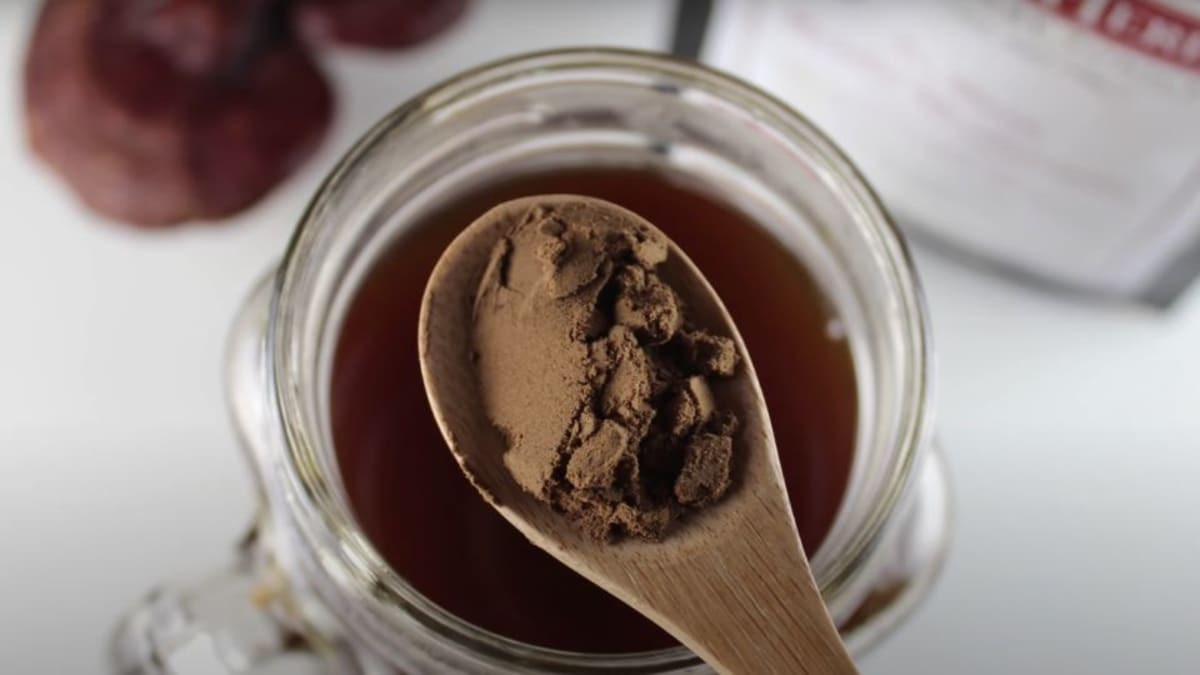
| Powder | Mixing into tea or coffee | 1-2g daily |
| Tincture | Fast absorption | 2-4ml daily |
| Tea/decoction | Traditional preparation | 3-5g dried slices |
The bitter taste of reishi is intense. Capsules avoid this entirely. Powder mixes better into strong coffee or chai than plain water. Tinctures hit fastest but the flavor challenges most palates. We found mixing powder into evening herbal tea worked well for our protocol.
Look for supplements specifying fruiting body extract rather than mycelium on grain. Check for third-party testing and beta-glucan content verification. Products should list the extraction method used. We cover what to look for in our guide to choosing quality reishi supplements.
Side effects and safety
Reishi has a solid safety profile in clinical research. Most people tolerate it well at recommended doses.
Possible side effects include dry mouth and digestive upset. Dizziness happens occasionally. These issues typically show up at higher doses or during the first week. We experienced mild digestive discomfort during week one that resolved by week two.
Blood thinning effects require attention. Reishi may have mild anticoagulant properties. If you take warfarin or other blood thinners, consult your doctor before adding reishi. The same applies to anyone scheduled for surgery.
People with autoimmune conditions should approach reishi carefully. The immune-modulating effects that help most people could potentially stimulate an already overactive immune system. Get medical guidance if you have lupus, rheumatoid arthritis, or similar conditions.
Pregnant and breastfeeding women lack sufficient safety data. Avoid reishi during these periods until more research exists.
Long-term use looks safe. Studies lasting up to 16 weeks showed no major adverse effects. Practitioners in Asia have used reishi for thousands of years without documented problems, which tells us something even if anecdotal history is not the same as a clinical trial.
Frequently Asked Questions

A dedicated wellness researcher who spent decades cataloging the impact of forest-based nutrition on human aging. Ashley doesn't care about trends; she cares about the data.
References & Further Reading
- Ganoderma lucidum effects on immune function in cancer — ResearchGate (2015)
- Ganoderma lucidum triterpenoids improve anxiety and depression — PMC (2022)
- Free-radical scavenging activities of Ganoderma lucidum — PubMed (2010)
- Reishi bioactive substances and medicinal effects — Food Reviews International (1995)
- Ganoderma lucidum effects on sleep quality — PubMed (2012)
- Immunomodulatory effects of Ganoderma lucidum polysaccharides — PMC (2018)