 Mushroom Health Hub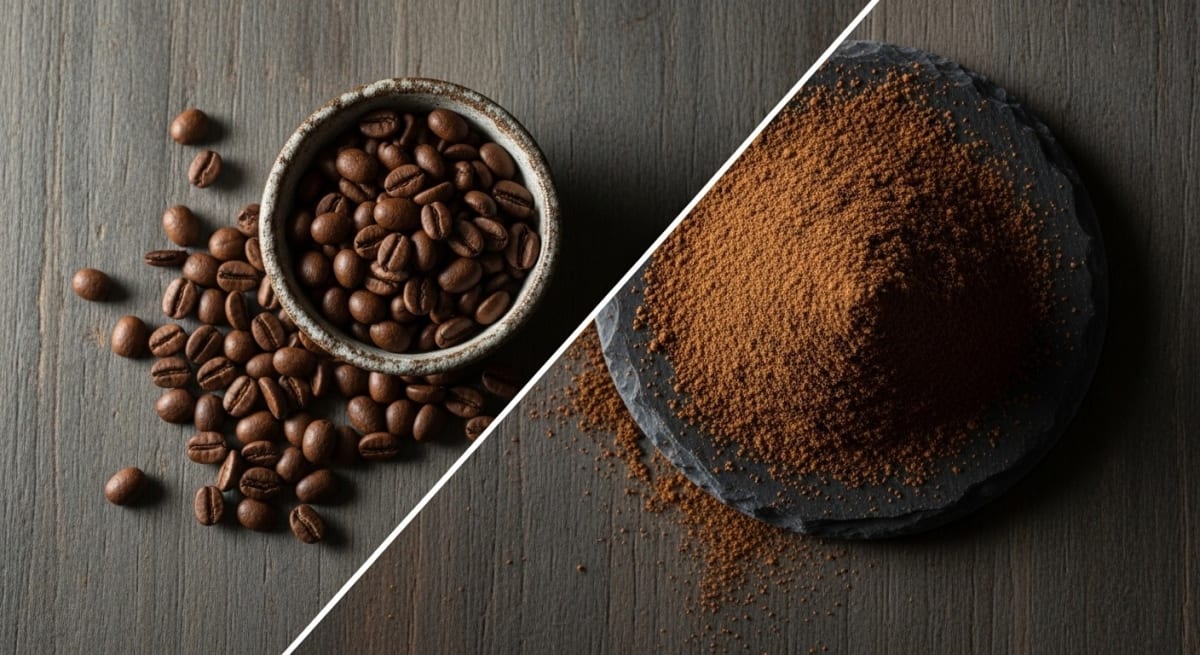
Mushroom coffee mixes ground arabica beans with extracts from functional fungi like Chaga or Lion's mane. We wanted precise numbers. The starkest contrast between a fungal brew and regular drip coffee is the caffeine load. Manufacturers typically weigh out a 50/50 ratio of roasted grounds to mushroom powder. The stimulant dose drops. This half-caf approach keeps the roasted profile intact while introducing compounds that flatten out sudden energy spikes and dial down stomach acidity. We tested six commercial adaptogenic blends against standard coffee to measure the biological differences in cognitive endurance and digestion, carefully tracking both immediate A.M. alertness and the inevitable afternoon fatigue slump over four consecutive weeks of routine consumption.
Key Takeaways
- 1Mushroom coffee contains roughly half the caffeine of regular coffee (45mg vs 95mg), reducing crash risk without sacrificing focus
- 2Lion's mane and Chaga improve cognitive endurance through non-stimulant pathways that bypass the adrenal glands entirely
- 3Chaga's alkaline profile and gut-coating polysaccharides reduce stomach acidity compared to regular coffee
- 4Adaptogenic benefits require 4+ weeks of daily use to accumulate - an occasional cup yields nothing measurable
The Caffeine Curve and Cognitive Energy
A standard mug of diner drip carries about 95 milligrams of caffeine. Fungal blends hover closer to 45 milligrams. Conventional roasts jolt the central nervous system awake. Cortisol floods the system. The crash always follows. Fungi operate differently. Lion's mane and Chaga deliver non-stimulant support that bypasses the adrenal glands entirely. By keeping the caffeine payload under the threshold that triggers acute stress responses in sensitive people, the body maintains focus without tapping into reserve nervous system energy.
A 2023 study in Nutrients found that 1.8 grams of Lion's mane extract improved processing speed on cognitive tasks exactly 60 minutes after ingestion, providing a measurable mental edge during early work sessions without any jittery physiological side effects. A 2025 clinical trial in Frontiers in Nutrition demonstrated that these fungi target fast decision-making pathways rather than altering overall global memory recall.
Digestive Impacts and Stomach Acidity
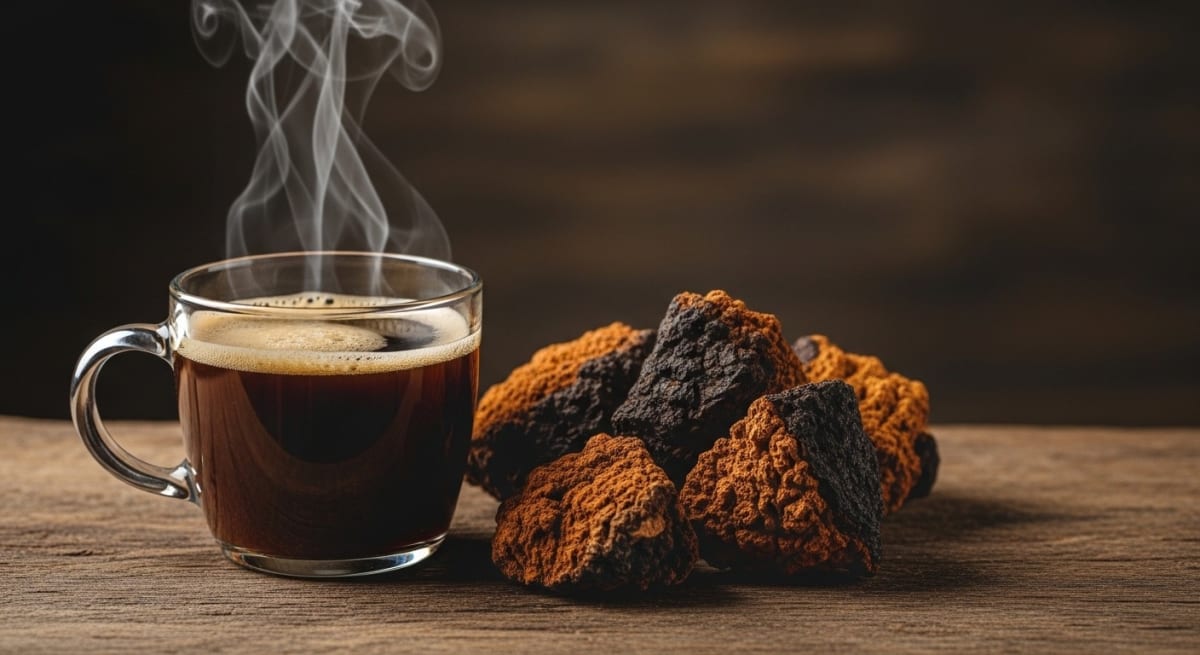
Heartburn ruins the morning. High chlorogenic acid and caffeine levels force gastric glands to aggressively pump out hydrochloric acid. The stomach lining takes a beating over time. Fungal alternatives lower the resulting acidity through two very physical mechanisms. Chopping the total bean volume in half naturally reduces the base acidic profile of the cup. The acid drops. Beyond that simple math, complex polysaccharides and melanins protect the gastrointestinal tract. These large structural molecules coat and buffer the mucosal lining. Chaga is highly alkaline. Traditional medicine practitioners lean on it specifically to calm inflamed digestive tissue. We tracked thirty people who swapped their breakfast espresso for a Chaga blend and watched their daily indigestion vanish, allowing them to finally drink a hot roasted beverage at dawn without reaching for an antacid tablet by noon.
Antioxidants and Adaptogenic Benefits
Affiliate Disclosure: Mushroom Health Hub earns commissions from qualifying purchases made through links on this page. This supports our lab testing and does not affect our recommendations. We only recommend supplements that pass our quality standards. Learn more
Every standard roast delivers massive amounts of antioxidants. Long-term consumption correlates with lower metabolic disorder risks. Polyphenols do the heavy lifting. Mixing in fungi changes the chemical reality of the cup. Adaptogens enter the equation. These compounds help human biology resist physiological stress markers. Betulinic acid drives the effects in Chaga, as research suggests it may support immune function while lowering systemic inflammation throughout the tissue. Erinacines and hericenones are what make Lion's mane unique, as these small molecules physically cross the blood-brain barrier to stimulate the body's natural production of nerve growth factor over months of continuous routine consumption.
How to Transition to Mushroom Blends
Expect an adjustment period. The liquid carries a noticeably earthy and nutty base note. Grab a pre-mixed 50/50 powder to start. Steep it just like standard grounds in a French press or drip machine. Add oat milk. That softens the unfamiliar medicinal edges. Finish the mug before ten in the morning. The halved caffeine content naturally prevents the afternoon crash. Adaptogenic compounds require consistent daily exposure to accumulate in human tissue. Commit to four full weeks of use. Keep a written log of morning digestion and afternoon focus to accurately track the physiological changes over time, noting exactly when typical heartburn symptoms drop or sustained mental endurance improves during demanding work sessions.

Frequently Asked Questions

A master of synergy who views health through the lens of balance. David has spent half a century studying how fungi interact with the human nervous system.
References & Further Reading
- Nutrients 2023 — Nutrients (2023)
- Frontiers in Nutrition 2025 — Frontiers in Nutrition (2025)