 Mushroom Health Hub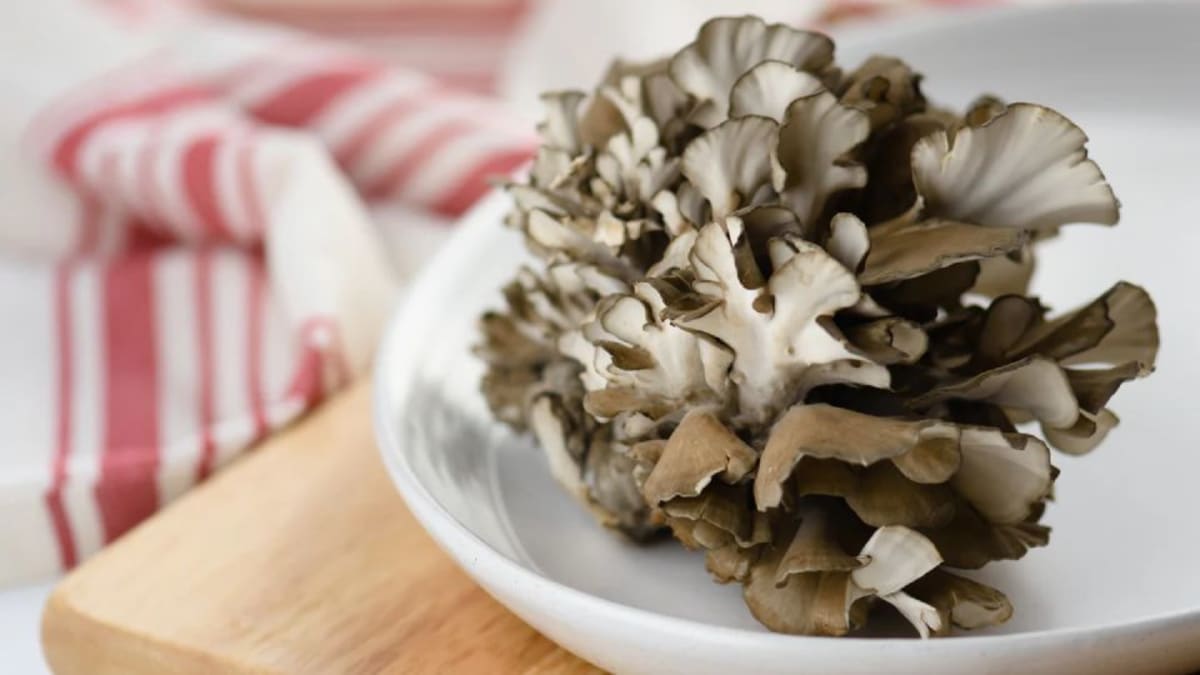
You can buy fresh maitake at specialty grocers or local farmers markets. Most online supplement shops sell standardized powders. We evaluate these sources based on independent lab testing and bioactive preservation, because finding actual fungal products means navigating a supplement market absolutely flooded with discount grain fillers and completely ineffective tinctures. Grifola frondosa is a functional polypore. We verify the chemistry.
Key Takeaways
- 1Hot water extraction yields only 5.1% total polysaccharides from dried maitake, which explains why quality supplements cost significantly more than budget alternatives
- 2Look for a Certificate of Analysis showing beta-glucan content above 20% and alpha-glucans below 5% — high alpha-glucan numbers indicate grain starch filler
- 3Tinctures often lack the primary active ingredients because alcohol causes heavy beta-glucan molecules to precipitate out of solution
- 4Fruiting body extracts deliver far denser D-fraction concentrations than mycelium products grown on rice or oats
The Science of Sourcing Maitake
Our team evaluates maitake sources by digging straight into the supply chain and extraction methods. Marketing claims mean nothing. We look at the actual chemical composition. Most commercial products fail entirely to deliver the active compounds found in the raw fungus. A 2023 structural analysis published in Frontiers in Nutrition examined the extraction yield of maitake mycelium, discovering that boiling water extraction yielded only 5.1 percent total polysaccharides from the dried raw material. This abysmal yield shows exactly why high-quality supplements cost more. It takes huge volumes of raw biomass to create a single potent dose. Budget tubs usually just hold unextracted dust. The human digestive tract simply cannot break down the tough chitin cell walls of raw mushrooms. Hot water processing forces those trapped molecules out.
Maitake has a highly distinct beta-glucan architecture. Most functional mushrooms carry a beta-1,3 main chain with beta-1,6 branches. Maitake features that standard configuration alongside a rare beta-1,6 main trunk with beta-1,3 branches. These protein-bound polysaccharides are often patented as D-fraction or MD-fraction in commercial products, and when we audit supplement manufacturers for quality assurance, we demand explicit declarations of these exact compound fractions before making any purchasing recommendations. A lot of companies sell mycelial biomass grown on oats or rice. This inflates the carbohydrate numbers on the lab test. Alpha-glucans from the residual grain starch hide the lack of actual fungal matter. A reputable supplier publishes a Certificate of Analysis showing beta-glucan content above 20 percent while keeping alpha-glucans below 5 percent. We ask for these documents every time.
We also monitor geographic origins. Chinese cultivation accounts for the vast majority of global maitake production. That is perfectly fine. China has centuries of deep mushroom cultivation expertise. Fungi act as aggressive bioaccumulators that pull minerals straight from their substrate, meaning they will readily absorb lead, arsenic, mercury, and cadmium from polluted soil or contaminated water sources if the agricultural environment lacks rigorous regulatory oversight. We insist on third-party testing. European and North American growers produce excellent fruiting bodies too. These domestic options just cost more than Asian imports. The markup reflects local labor rates. It implies zero intrinsic biological superiority. Origin matters less than the final heavy metal parts-per-million count.
Comparing Fresh, Dried, and Extracted Forms
You have to choose between culinary and medicinal formats. Fresh maitake caps show up in specialty grocery stores during the autumn harvesting season. We buy them purely for their rich umami flavor. Fresh fruiting bodies hold about 80 percent water by weight. They pack excellent nutritional value. A 2021 study in the journal Foods confirmed that the dried weight consists of 50 to 60 percent carbohydrates and 22 to 27 percent proteins, making them a remarkably dense source of amino acids when eaten regularly. Eating fresh fungi requires thorough cooking to break down those chitin walls. Raw consumption causes severe gastric distress. Sauteing or roasting releases just a tiny fraction of the beneficial compounds.
Dried maitake acts as a shelf-stable alternative for home kitchens. Large grocery chains stock dehydrated caps year-round. You have to rehydrate these tough pieces in hot water before adding them to a meal. The hot steeping liquid manages to capture some water-soluble polysaccharides. We strain this dark broth and use it as a soup base. While dried mushrooms are great for cooking, they lack the precise biochemical standardization found in proper commercial supplements, meaning the actual concentration of active molecules will vary wildly depending on how and where the farmer grew them. Weather patterns alter the chemistry. Soil quality dictates the final nutrient density.
Extracts remain the most reliable option for measured dosing. Manufacturers process the raw fungal biomass through intense hot water or dual extraction protocols. This industrial processing strips away the indigestible fiber and isolates the target beta-glucans. Liquid tinctures suspend these compounds in an alcohol and water solution. Extract powders dry that concentrated liquid down into a highly soluble format. We vastly prefer powders over tinctures. Tinctures usually carry high alcohol ratios. Alcohol actually forces heavier molecular weight beta-glucans to precipitate out of the liquid, leaving buyers with a bottle of expensive dark fluid that entirely lacks the primary active ingredients they originally paid to receive. Extract powders bypass this chemical flaw. They deliver the highest density of intact D-fraction molecules.
Evaluating Commercial Extract Products
Affiliate Disclosure: Mushroom Health Hub earns commissions from qualifying purchases made through links on this page. This supports our lab testing and does not affect our recommendations. We only recommend supplements that pass our quality standards. Learn more
Sourcing high-grade maitake means reading the extremely fine print. We never buy anything based on front-label marketing. The active ingredient panel reveals the actual value. An extraction ratio gives the first clue about product concentration. A 4:1 ratio means four kilograms of raw mushroom yielded one kilogram of final powder. An 8:1 ratio represents double that concentration. These numbers give a baseline understanding of the raw material investment, but they remain entirely meaningless if the manufacturer uses low-grade starting material or harsh processing chemicals that destroy the delicate molecular structures.
The extraction method dictates exactly which compounds survive. Beta-glucans dissolve in water. Triterpenes require alcohol. Maitake relies heavily on its water-soluble beta-glucan profile for its primary physiological mechanisms. A pure hot water protocol preserves these polysaccharides. Dual extraction processes use both water and alcohol to strip the cellular matrix. This method captures a broader spectrum of minor compounds. We look for manufacturers who clearly state their extraction solvents right on the packaging because this level of operational transparency usually indicates a strict commitment to proper manufacturing standards and long-term consumer education. Hidden processes suggest manufacturing shortcuts.
The absolute ultimate verification comes from third-party lab testing. We demand Certificates of Analysis from every brand we test. These documents must show the exact beta-glucan percentage. A quality maitake extract should contain at least 20 percent measured beta-glucans by weight. The lab report must also quantify the alpha-glucan content. High alpha-glucan numbers point straight to inexpensive starch fillers or unfermented growing grains. We reject any product showing more than 5 percent alpha-glucans, as this elevated carbohydrate metric proves the manufacturer padded their product with useless agricultural waste instead of using genuine fungal fruiting bodies. Grain substrate provides zero health benefits. You deserve pure fungi.
We also carefully evaluate the final dosage format. Capsules offer easy convenience for daily use. While pills provide a fast solution for busy mornings, loose extract powders deliver significantly better financial value per gram and allow individuals to precisely titrate their daily dosage based on their physiological responses over time. Stir half a teaspoon of powder into hot tea. The heat stops the fine powder from clumping up. Consistency matters way more than the delivery mechanism. Daily administration maintains steady blood levels of the active components. Intermittent use fails to produce measurable results on a lab panel.
Vendor Red Flags and Transparency Standards
The global supplement industry operates with almost zero regulatory oversight. We scrutinize vendor behavior to separate legitimate operations from pure opportunists. A trustworthy company operates with absolute transparency regarding their agricultural supply chain. They readily disclose their farm locations and extraction facilities. Evasive customer service reps usually indicate a company hiding substandard practices. We regularly email brands asking for their testing protocols. Reputable vendors reply directly with PDF attachments of their latest lab results, proving their claims through independent chemical analysis instead of relying on unverified marketing slogans, paid influencer promotions, aggressive affiliate campaigns, and completely fabricated customer testimonials. Shady operators reply with vague assurances.
Packaging provides another clear indicator of vendor integrity. Extracts degrade fast when exposed to ultraviolet light and atmospheric moisture. Premium brands package their powders in dark Mylar or amber glass jars. They use opaque resealable pouches with thick moisture barriers. Clear plastic tubs will slowly ruin the delicate polysaccharide structures over time, as ambient light exposure steadily accelerates the oxidation of the beneficial compounds and renders the extract chemically inert long before the printed expiration date ever arrives. We completely avoid brands using transparent packaging. Ultraviolet light destroys the active molecules.
Pricing models also reveal the true nature of a brand. Fungal cultivation requires significant capital investment. Proper hot water extraction demands expensive industrial machinery. A massive tub of powder retailing for ten dollars simply cannot contain verified beta-glucans. It likely consists of ground oats and trace mushroom dust. We calculate the exact cost per gram of verified beta-glucans to determine the true product value, because a small pouch of concentrated extract almost always provides vastly superior economic value compared to a low-cost bulk bag of inactive filler material. Cheap powder wastes your money. A verified 30 percent beta-glucan extract will cost upwards of thirty dollars a month.
Frequently Asked Questions

After years working in consumer protection and manufacturing oversight, Mary shifted her focus to the "Wild West" of the supplement industry. She is a tireless advocate for the buyer.
References & Further Reading
- Frontiers in Nutrition 2023 — Frontiers in Nutrition (2023)
- Foods 2021 — Foods (2021)