 Mushroom Health Hub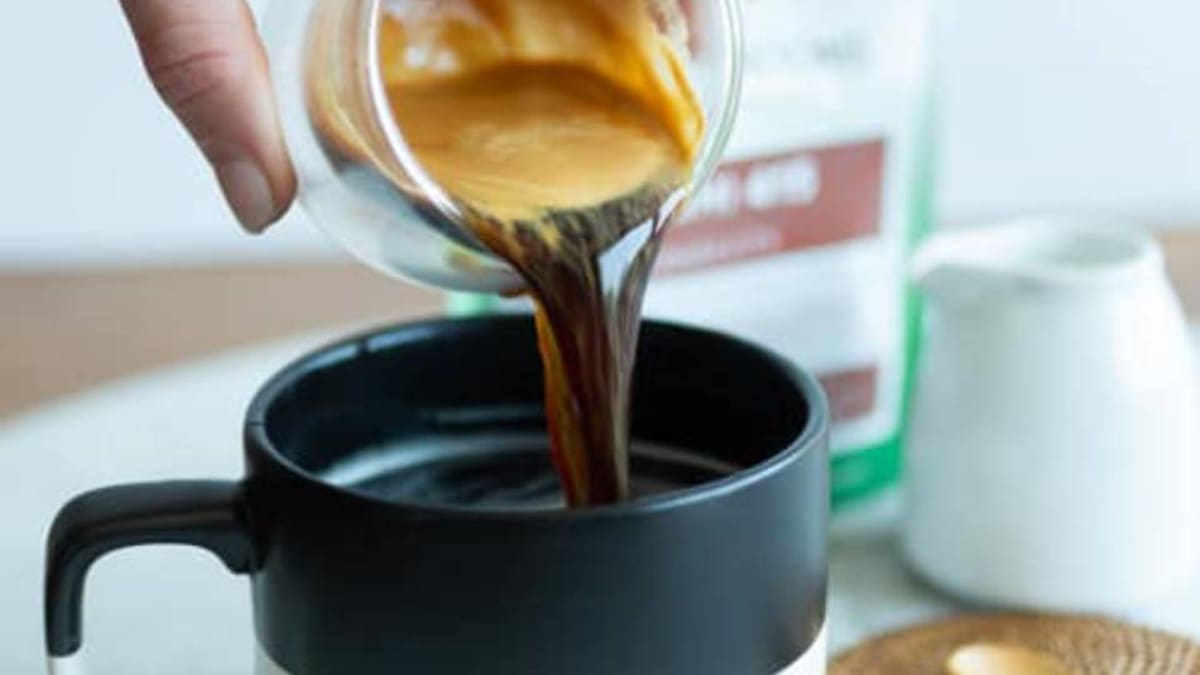
How do we properly brew mushroom coffee? Blend functional fungi powder with ground beans and a dense fat source. Hot water pulls out the beta-glucans. Then the added fat helps the gut absorb those stubborn triterpenes that resist water alone. We spent the last few months testing brewing variables to get this right. Online wellness circles treat the drink like a casual morning hack. It isn't. It is an exercise in extraction chemistry. How we brew dictates the compounds that survive the mug to hit the bloodstream.
Pouring boiling water over raw, unextracted mushroom dust leaves the drinker holding a therapeutically dead sludge that provides zero cognitive returns and completely wastes those expensive premium extracts. A 2023 review in the International Journal of Molecular Sciences tracked beta-glucan stability under different heat exposures. The data pointed to something crucial for home brewers. Extraction efficiency drops off a cliff when the water gets too hot. We rebuilt our daily protocol based on these numbers.
Key Takeaways
- 1Beta-glucans denature when water exceeds 95 degrees Celsius, so brewing temperature must stay between 85-90°C to preserve the polysaccharide triple-helix structure
- 2Triterpenes require dietary fat carriers to cross the intestinal wall - skipping oil or cream means those compounds pass through unabsorbed
- 3Dual-extracted powders are non-negotiable because human stomachs lack chitinase enzyme to break down fungal cell walls
- 4Immersion brewing (French press) pulls more water-soluble beta-glucans than pour-over or instant methods due to extended contact time
Bioavailability and Preparation Mechanics
Our primary goal is simple. Extract the beta-glucans and transfer them directly into the blood. Doing so requires precise thermal triggers. Dumping unprocessed powder into cold water will not yield measurable neurological or immunological effects.
Fungal cell walls are built from chitin, the same rigid polymer that forms crab shells. Human stomachs lack the enzyme chitinase to break that down. Eat unprocessed powder and those bioactive compounds stay trapped inside the chitin walls before passing through the gut entirely unabsorbed. A 2026 pharmacological review highlighted why dual extraction matters. Facilities boil the fruiting bodies in giant vats to pull the beta-glucans. Ethanol handles the rest. When we buy a premium extract, that industrial work is already done. Rehydrating those compounds without accidentally destroying them is the only job left for the home brewer.
Heat stability is the main variable we track. Lion's mane polysaccharides hold up well, but extreme heat degrades their molecular weight quickly. A 2023 extraction study measured this directly. Water exceeding 95 degrees Celsius will denature the beta-glucan triple-helix structure. Taking a wrecking ball to that geometry reduces the sought-after immunomodulatory properties. We keep our brew temperatures locked between 85 and 90 degrees Celsius. The intestinal lining needs that intact shape to register the immune stimulation.
Affiliate Disclosure: Mushroom Health Hub earns commissions from qualifying purchases made through links on this page. This supports our lab testing and does not affect our recommendations. We only recommend supplements that pass our quality standards. Learn more
What You Need to Brew Mushroom Coffee
Raw materials dictate the chemical composition of the final cup. We take a fairly rigid approach. Adding a lipid source is non-negotiable. So many beneficial fungal compounds are strictly lipid-soluble. Triterpenes desperately need a fat carrier to slip across the intestinal wall. A 2024 trial published in Frontiers in Pharmacology confirmed that pairing these complex organics with dietary fats drastically increases their systemic bioavailability. Leaving out the fat wastes the extract.
- Filtered water: Municipal tap lines carry chlorine and metals that mess with the extraction pH. Fungal polysaccharides dissolve best in a neutral to slightly acidic environment.
- Dual-extracted powder: Pick up a true dual-extracted product. We regularly use Real Mushrooms Lion's Mane Extract. A premium alternative on Amazon works fine if that is sold out. Never buy raw, unextracted dust.
- Medium-roast Arabica coffee: Light roasts carry intense chlorogenic acid that overpowers the earthy undertones of the fungi. Medium roasts hit the right balance. Dark roasts lose their antioxidants to aggressive roasting.
- Biological carrier fat: Coconut oil, heavy cream, grass-fed butter, or thick plant milk all work.
Comparing the Top Fungal Additives
We customize the morning cup based on what the day demands. Our team rotates between four distinct extracts. The exact choice hinges on the clock and whatever physical toll we expect during the upcoming work sessions.
Lion's mane is our default for early focus. Hericenones in the extract stimulate nerve growth factor synthesis in the brain. This specific fungus meshes beautifully with the natural caffeine profile of roasted beans. We get sustained mental clarity without the mid-morning jitters.
Chaga enters the rotation when winter hits. The conk is an absolute antioxidant powerhouse. It carries massive amounts of melanin and superoxide dismutase. Those compounds actively hunt down oxidative stress generated by punishing workloads. It keeps the immune system engaged.
Cordyceps goes straight into our pre-workout thermos. The fruiting body ramps up cellular adenosine triphosphate production. More ATP means better oxygen utilization when the lungs are burning. A 2026 sports medicine analysis confirmed that pairing cordyceps with a low dose of caffeine significantly pushes back the time-to-exhaustion threshold in seasoned endurance athletes.
Reishi acts as a nervous system down-regulator. We never mix it with caffeinated beans. We whisk it into decaf or hot cocoa when the sun goes down. The compounds lower circulating cortisol to prime the body for deep sleep.
Method 1: The Immersion Protocol (French Press)
We consider immersion brewing the superior route. A glass French press traps the grounds and extract in constant contact with the hot water. That extended soaking window pulls the absolute maximum amount of water-soluble beta-glucans. The resulting mug delivers a dense dose of the target compounds.
Step 1. Heat the water correctly
Bring the filtered water to a rolling boil. Yank the kettle off the heat and wait a full sixty seconds before pouring. The sweet spot for beta-glucan survival sits safely between 85 and 90 degrees Celsius.
Step 2. Measure the dry ingredients
Drop two tablespoons of coarse coffee into the empty press. Toss in one teaspoon of the chosen extract. We frequently blend lion's mane with reishi for a steady cognitive profile. The two species balance each other out.
Step 3. Bloom and steep
Splash just enough hot water to wet the dry mixture. Give it thirty seconds to let the coffee bloom and off-gas. Pour in the rest of the water, slap the lid on, and leave the whole rig alone for a full six minutes so the heat can pry every available polysaccharide from the raw materials.
Step 4. Plunge and add fats
Push the plunger down at a snail's pace. Pour the dark liquid into a thick ceramic mug. Stir in a tablespoon of coconut oil or thick plant milk to grab onto those lipid-soluble triterpenes. Drink it while it runs hot.
Method 2: The Percolation Protocol (Pour-Over)
Pour-over setups yield a noticeably cleaner tasting beverage. The paper filter physically catches diterpenes like cafestol, which can spike cholesterol levels in heavy drinkers. The flavor rings clear. But watch the water flow rate like a hawk, because the microscopic particle size of the fungi powder will easily choke the paper filter if you get careless.
Step 1. Prepare the filter and water
Drop a paper filter into the dripper and flush it with hot water. This strips out the cardboard taste while preheating the glass carafe below. Heat a fresh batch of water to 90 degrees Celsius.
Step 2. Combine the powders
Pour twenty grams of medium-fine grounds into the wet filter. Sprinkle one teaspoon of dual-extracted chaga right on top of the pile. Never bury the extract at the bottom. It clogs the pores instantly.
Step 3. Execute the pour
Hit the grounds with fifty grams of water to start the wetting phase. Wait forty-five seconds for the trapped carbon dioxide to bubble out. Slowly spiral the remaining two hundred and fifty grams of water in tight concentric circles. A slow steady flow pulls the medicinal compounds evenly through the filter bed.
Step 4. Fortify the brew
Pull the dripper away the second the liquid stops falling. The final brew looks remarkably translucent. Stir in a generous splash of cream to give those triterpenoids a fat carrier to ride on. The dairy also mellows out the medicinal bite of the chaga.
Method 3: The Rapid Protocol (Instant Powder)
We admit manual brewing takes time. Instant blends exist to solve the morning rush. We ran numerous commercial brands through testing. This specific sequence produced the best outcomes. It protects the fragile fungal compounds while putting a drinkable cup on the table in under three minutes.
Step 1. Select a premium blend
Hunt down a pre-mixed tub that boldly prints the extraction method on the back label. Dodge any brand pushing mycelial biomass filler. The only products worth buying use actual fruiting body extracts.
Step 2. Heat the water gently
Stay away from the boiling water tap. Warm the water in a temperature-controlled kettle dialed to 85 degrees Celsius. Instant coffee beans already endured a harsh freeze-drying process. Their surviving flavor molecules are ridiculously sensitive to scorching.
Step 3. Mix and agitate
Dump one tablespoon of the instant mix into a dry mug. Splash in two ounces of warm water. Grab a handheld milk frother. Spin the liquid for ten seconds to obliterate the stubborn clumps formed by the hygroscopic fungi powder.
Step 4. Dilute and serve
Top off the mug with the rest of the hot water. Drop in a spoonful of grass-fed butter or a chunk of coconut oil. Spin the liquid one last time to fully emulsify the fats. That final blast creates a velvety texture and guarantees the gut actually absorbs the goods.
Common Preparation Mistakes
A shocking number of people ruin their pricey supplements through sheer impatience. We logged the most common unforced errors home brewers commit.
The cardinal sin is ignoring extraction reality. Fungal cell walls are armored with chitin. Human digestion cannot break chitin apart. Stirring raw, unextracted powder into a lukewarm mug of ground coffee results in absolutely zero biological absorption, flushing both your cash and the potential health benefits straight down the kitchen sink. Buyers have to source dual-extracted products.
Temperature abuse comes in a close second. Dumping boiling water straight onto the delicate powder aggressively degrades heat-sensitive compounds. A 2025 analysis of functional beverages caught this on paper. The data showed that a rolling boil slashes the antioxidant capacity of both chaga and cordyceps. Give the kettle a minute to calm down.
Then there is the fat problem. Skipping the lipid carrier abandons the alcohol-soluble compounds at the finish line. Triterpenes and sterols demand dietary fats for intestinal transport. Pour in a solid splash of oat milk or spin in a pat of butter. The added fat clears the absorption hurdle.
Frequently Asked Questions

A dedicated wellness researcher who spent decades cataloging the impact of forest-based nutrition on human aging. Ashley doesn't care about trends; she cares about the data.
References & Further Reading
- International Journal of Molecular Sciences 2023 — International Journal of Molecular Sciences (2023)
- Frontiers in Pharmacology 2024 — Frontiers in Pharmacology (2024)