 Mushroom Health Hub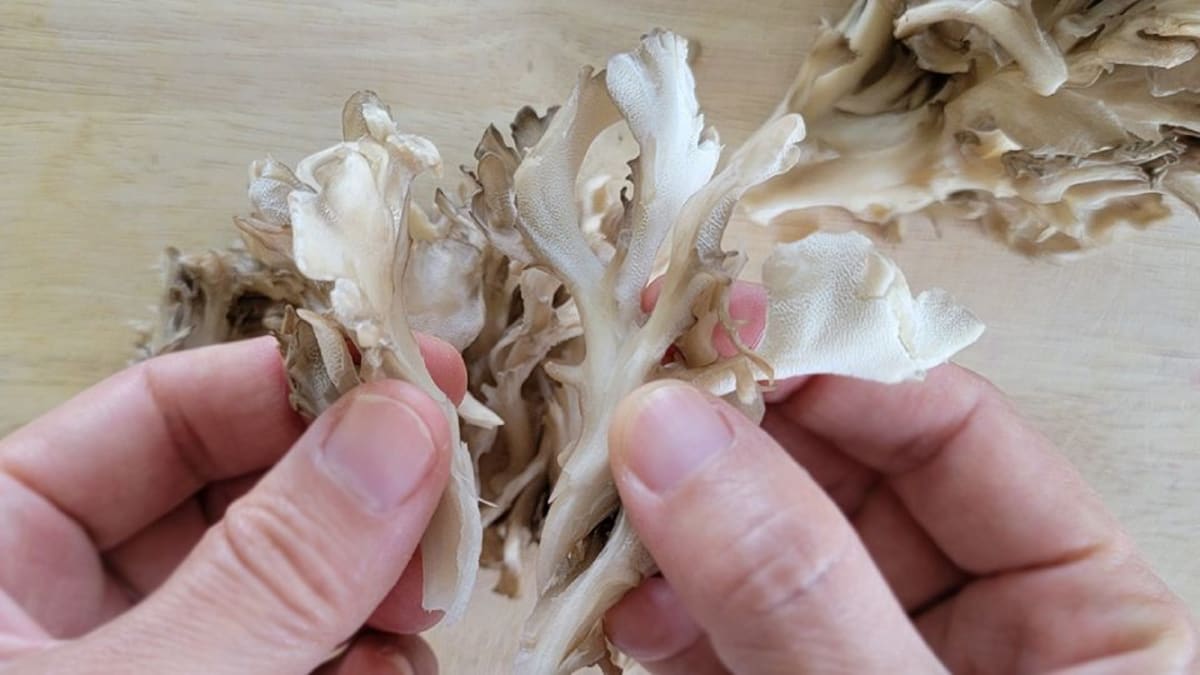
To prepare maitake mushrooms, prep begins by wiping the fronds with a damp cloth, tearing the clusters by hand, slicing off the woody base, and applying sustained heat. We treat maitake as both food and a serious health tool. Fungi lock their medicinal compounds inside a rigid cellular wall made of chitin. Humans lack the enzymes to break chitin down. Heat shatters this barrier. Cooking frees the trapped beta-glucans and polysaccharides so the body can actually use them. A 2024 study in the journal Nutrients demonstrated that hot water extraction allows maitake polysaccharides to survive harsh stomach acid and arrive at the colon completely intact, where they act as powerful prebiotics for beneficial gut bacteria. Eating them raw is a waste. Cooking maitake is mandatory to access what it actually does.
Key Takeaways
- 1A 2024 Nutrients study confirmed hot-water extracted maitake polysaccharides survive stomach acid intact and arrive at the colon where they feed Akkermansia and Lactobacillus populations and trigger GABA production - raw fungi skip this entire biological sequence
- 2A 2017 Food Chemistry study found extraction at 121°C yields the highest beta-glucan concentration - a pressure cooker running 40 minutes outperforms all standard stove-top boiling methods
- 3Never wash maitake under running water - the porous flesh sponges up surface moisture instantly, preventing the Maillard reaction and turning sautéed pieces grey and steamed instead of caramelized
- 4Save the woody base - it holds the densest polysaccharide concentration in the entire cluster and is too rigid for frying, but 90 minutes of simmering transforms it into a potent medicinal broth
The Science of Preparation
Temperature dictates the final nutritional yield. A 2017 study in Food Chemistry tested water extraction of Grifola frondosa at 70 and 121 degrees Celsius. The trials found the 121-degree method yielded the highest concentration of immune-modulating beta-glucans. Heat also pushes up the nitric oxide inhibitory activity of the resulting polysaccharides.
Cooking methods really do matter. Frying mushrooms in oil gives great flavor and softens enough chitin for normal digestion. But boiling or pressure-cooking maitake for 30 to 60 minutes maximizes the release of soluble compounds. We often divide our harvest. We pan-fry half the cluster for dinner and simmer the dense base for a potent medicinal broth.
A 2024 study in the journal Nutrients tracked Grifola frondosa polysaccharides using an in vitro simulated gastrointestinal model, discovering that hot-water extracted maitake compounds remained remarkably stable during both gastric and intestinal digestion phases without degrading. Stomach acid failed to destroy the active beta-glucans. They reached the colon intact. Down there, these compounds directly fed the microbiome. The data pointed to an increase in beneficial bacteria like Akkermansia and Lactobacillus. Gut microbes fermenting these polysaccharides also upregulated the production of gamma-aminobutyric acid. Heat extraction kicks off this entire biological sequence. Raw fungi skip the colonic fermentation entirely.
Fresh vs. Dried Preparation
Plenty of protocols call for dried maitake over fresh clusters. Dehydrated stock brings distinct advantages to a hot water extraction. The drying process actually shatters a good chunk of the rigid cellular wall before the heat ever hits the pan. Sun-dried maitake also packs way higher levels of Vitamin D. Ultraviolet light naturally converts fungal ergosterol into active Vitamin D.
Dried pieces still need rehydrating before frying. Submerge the brittle fronds in warm water for thirty minutes. They will swell up. Drain the liquid off. Never throw this soaking water away. It holds a massive concentration of soluble compounds that leached out while the mushrooms sat there softening in the bowl, creating a deeply savory liquid base that upgrades just about any traditional recipe. Dump it into a soup. Boil rice in it.
You can skip the soaking step entirely if brewing a decoction is the goal. Toss the dried pieces straight into the pot. Boiling water rehydrates the tissue and pulls out the beta-glucans simultaneously. Dried mushrooms just demand more liquid during a long simmer. Add an extra cup of filtered water to offset that initial sponge effect.
What You Need
Gather the equipment before touching the mushrooms. Proper prep demands the right gear. We rely on four basic items.
- A soft-bristled brush
- A thick-bottomed cast iron skillet
- A sharp paring knife
- A large stainless steel pot
Keep these things within arm's reach. Setting up early lets you focus entirely on riding the heat and watching the delicate edges turn dark brown instead of frantically digging through kitchen drawers for a spatula at the very last second.
Cleaning the Clusters
Cultivated maitake from a grocery store needs very little cleaning. These mushrooms grow indoors on sterilized sawdust blocks. They carry almost zero dirt. A quick pass with a dry towel gets the job done.
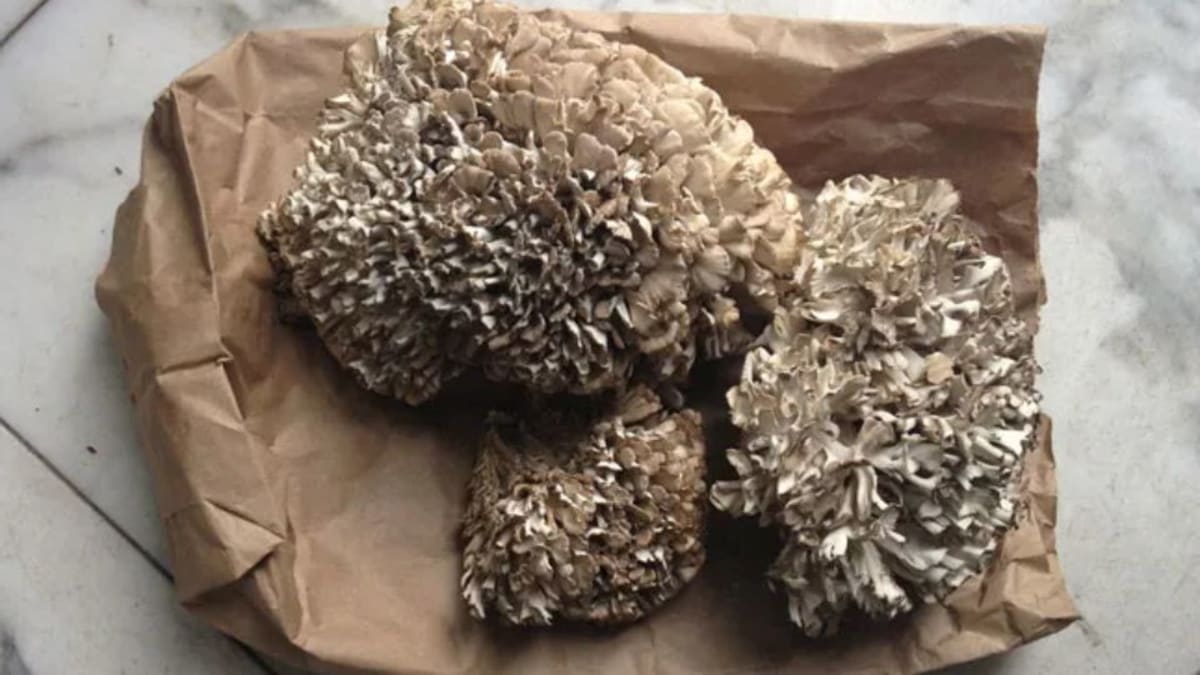
Wild-foraged maitake presents a different reality. These clusters pop up outdoors at the base of dying hardwood trees where they catch falling grit and dead leaves. Take a small soft-bristled brush and sweep deep inside the overlapping caps. A cheap pastry brush handles this perfectly. Stubborn mud spots might need a damp paper towel. Just rub the dirt away gently.
Never run the mushrooms under a kitchen faucet. Fungi behave like literal sponges. They suck up surface water instantly. That excess liquid logs the fragile cellular structure and wrecks the final texture. Wet mushrooms just steam sadly in the skillet instead of actually frying. A strict dry-cleaning habit locks in the precise internal moisture levels required to achieve a flawless, heavily caramelized sear the absolute second the raw fungus drops into the shimmering hot oil.
Dividing and Tearing
A whole maitake cluster looks a bit like a brain or a head of cauliflower. It has a thick central base branching out into hundreds of tiny caps. The knife is strictly for that base. Slice off the woody bottom core of the cluster. Save this chunk for brewing liquid extracts.
The remaining fronds require a much gentler manual approach. Tear the mushroom caps apart by hand. Ripping the fronds along their natural vertical seams preserves the structural integrity. Tearing naturally creates irregular, jagged edges. These rough borders crisp up beautifully when they hit the hot oil. Slicing with a steel blade just leaves perfectly flat surfaces. Flat edges refuse to caramelize.
Break the upper canopy into bite-sized chunks. Keeping the sizing fairly uniform ensures the whole batch cooks at the same speed. We always leave a handful of pieces slightly larger to provide a dense, meaty chew. The tiny fragments will finish much faster and offer a sharp crunchy contrast. Deliberately varying the piece size means every single forkful delivers a compelling mix of tender, fleshy centers and heavily roasted edges, keeping the texture interesting from the first bite all the way to the end of the meal.
Sautéing for Flavor
Pan-frying is the easiest method for everyday eating. Get a cast iron skillet screaming hot over medium-high heat. The process requires an oil with a high smoke point. Avocado oil and ghee work perfectly.
Drop a small knob of fat into the pan. Toss the torn maitake pieces into the oil. Do not crowd the skillet under any circumstances. Mushrooms dump their internal moisture as soon as they get hot. If the pieces sit packed together, the trapped liquid pools up and boils them. That water needs to evaporate instantly. Let the mushrooms sit completely undisturbed for four to five minutes. They demand uninterrupted contact with the hot iron to build a deep brown crust. This browning triggers the Maillard reaction. It spawns hundreds of complex new flavor compounds and amplifies the umami depth.
Flip the pieces only when the first side looks dark golden brown. Let the opposite side go for another three or four minutes. Season the batch with coarse salt and cracked pepper strictly at the very end. Tossing salt in early draws out cellular water and stops the caramelization dead in its tracks. The skillet temperature crashes. Suddenly the mushrooms are simmering in their own grey juices instead of frying. Drop some minced garlic and fresh thyme in during the final sixty seconds of cooking, allowing the aromatics to quickly infuse the leftover fat without turning burnt and acrid.
Boiling for Extraction
A long hot water decoction is mandatory for maximum beta-glucan extraction. The fibrous stems and woody bases fit this method perfectly. Regular frying leaves those tough chunks way too rubbery to chew.
Dump the mushroom bases into a large stainless steel pot. Submerge them in filtered water and crank the heat to a rolling boil. Drop the temperature and let the liquid simmer for 90 minutes. A 2020 study in the journal Food Chemistry indicated that boiling mushroom pieces for 60 minutes optimizes the release of polysaccharides and antioxidant phenols. The extended heat physically degrades the tight chitin bonds. The water shifts to a dark amber color.
We often use a modern pressure cooker to accelerate this step and push the extraction temperature higher. A standard pressure unit hits 121 degrees Celsius at max pressure. As the 2017 research showed, that intense heat forces the absolute highest yield of water-soluble immune compounds out of the fungal tissue. Run the machine for 40 minutes. Depressurize the valve and strain off the amber liquid. Throw out the spent mushroom matter. The resulting broth carries a massive payload of beta-glucans. You can drink the earthy liquid straight from a mug as a daily functional tonic, or pour it into a cast iron dutch oven to serve as the deeply nourishing foundation for a heavy winter stew. For a deeper look at what these beta-glucans do once they reach the body, see our maitake mushroom benefits guide.
Common Mistakes
People mishandle fresh maitake all the time. We track the usual mistakes to help people dodge a ruined dinner.
Dunking mushrooms in a bowl of water instantly wrecks their culinary potential. The porous flesh drinks up the liquid. Waterlogged maitake absolutely refuses to crisp up in a pan. A damp cloth provides the only acceptable moisture for cleaning.
Eating maitake raw is a massive nutritional waste. Uncooked mushrooms are technically safe to snack on in tiny amounts. But the beta-glucans stay trapped behind indigestible cell walls. The human gut simply cannot process raw chitin. It requires cooking.
Dumping salt in at the very beginning ruins the browning phase. Salt pulls water out of the cellular structure through osmosis. That liquid floods the hot iron. The pan temperature crashes, and the mushrooms wind up simmering in their own juices. Always salt the batch after the browning finishes.
Cooking on low heat is another classic blunder. Low temps fail to flash off the mushroom moisture fast enough. The pieces turn slimy and grey. Always stick to medium-high heat to flash-evaporate the liquid on contact.
Throwing away the fibrous stems wastes the most medicinal section of the entire organism. The base is definitely too rigid for a quick stir-fry. Yet it holds an incredibly dense concentration of trapped polysaccharides. We always toss the discarded woody stems into a freezer bag and boil them months later, creating potent medicinal broths that squeeze every last drop of value from the unyielding chitin matrix.
Frequently Asked Questions

A dedicated wellness researcher who spent decades cataloging the impact of forest-based nutrition on human aging. Ashley doesn't care about trends; she cares about the data.
References & Further Reading
- Food Chemistry 2017 — Food Chemistry (2017)
- Nutrients 2024 — Nutrients (2024)
- Food Chemistry 2020 — Food Chemistry (2020)