 Mushroom Health Hub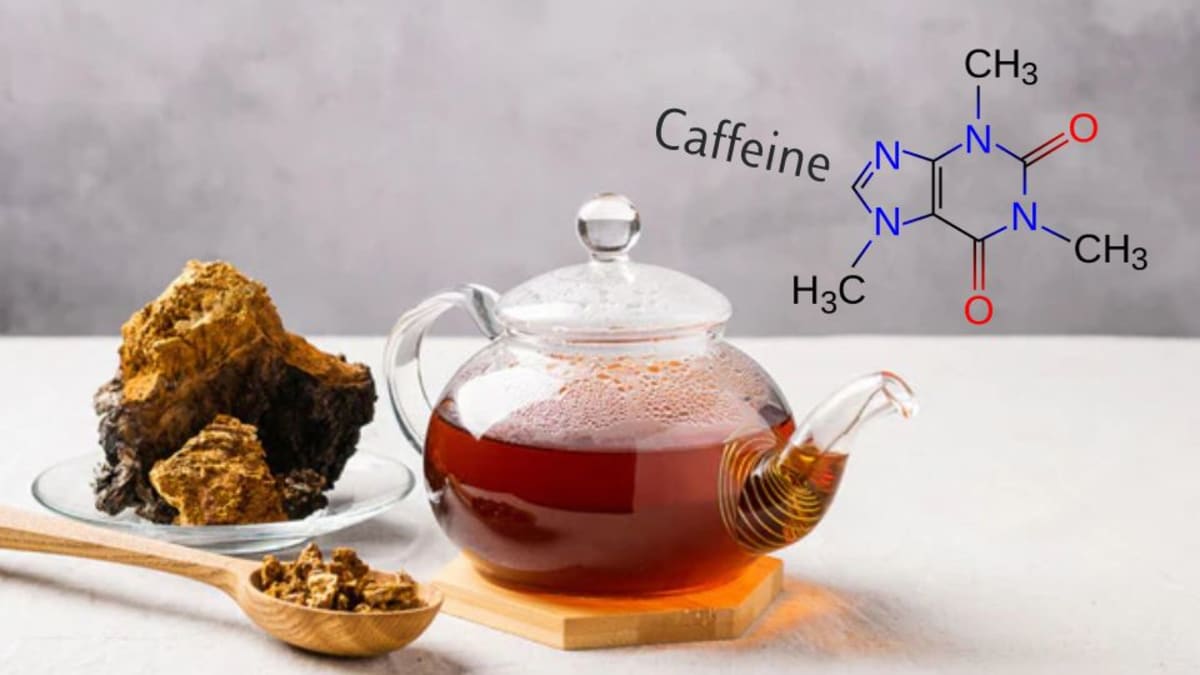
Chaga mushrooms contain exactly zero caffeine. They produce no stimulating alkaloids whatsoever. In our tests we found this adaptogen reduces muscular fatigue by modulating oxidative metabolism rather than artificially jolting the nervous system. The inky melanin content creates a flavor profile that genuinely tastes like a morning roast. That sensory trickery explains the long history of drinking the fungus as a coffee substitute when agricultural supply chains broke down. We tracked the latest clinical data to understand how these caffeine-free compounds actually alter human energy pathways, digging into the precise metabolic shifts that build endurance without ever blocking an adenosine receptor in the brain.
Key Takeaways
- 1Chaga contains zero caffeine - fungi lack the biological machinery to produce this alkaloid
- 2The dark color comes from melanin absorbed from birch bark, not roasted compounds
- 3Beta-glucans improve stamina by optimizing glycogen storage and lipid transport at the cellular level
- 4Dual extraction (hot water plus alcohol) is required to unlock both polysaccharides and betulinic acid
The Chemical Reality of Chaga and Caffeine
Fungi simply do not synthesize caffeine. Plants like coffee and cacao produce that alkaloid as a natural pesticide to kill off hungry insects. Chaga operates differently. It grows as a parasite on birch trees. To survive brutal subarctic winters the organism relies on an entirely separate arsenal of defensive chemicals.
We know people assume chaga packs a caffeine punch because a brewed cup looks exactly like black drip coffee. That dark liquid comes strictly from melanin. The fungus absorbs massive amounts of precursor compounds directly from its host birch bark and synthesizes them into a thick biological shield that protects the vital fungal DNA from both freezing temperatures and intense solar radiation during the endless summer days up north. Drop that crust into hot water and the pigment dissolves. It brews into an earthy tea. The sensory experience perfectly mimics a dark French roast.
But beta-glucans and triterpenoids do the real work here. These molecules interact heavily with the gut. They do not cross the blood-brain barrier. Sleep stays completely uninterrupted. For more on taste profiles, check our article on what chaga tea actually tastes like and how to brew it properly.
The WWII Coffee Substitute
The habit of drinking this fungus traces back to some fascinating historical supply chain collapses. During World War II the global coffee trade practically dissolved. Northern European nations faced incredibly strict rationing protocols. Finland lost nearly all access to imported beans. Government officials actually urged citizens to forage for local alternatives just to maintain daily routines and public morale.
Finnish foragers turned their attention to the black growths scattered across the local birch forests. They called the resulting drink tikka tea. Families would harvest the rock-hard fungal conks with small axes and dry the chunks next to indoor hearths. Once brittle they smashed the raw material into a coarse powder and boiled it for hours in large copper kettles. The resulting pitch-black liquid looked and tasted like a standard roasted bean.
Those wartime citizens drank the crude concoction mostly for the psychological comfort of keeping a familiar morning ritual, but our historical tracking shows this daily habit inadvertently unlocked a biological mechanism that provided serious immune support and bodily endurance. Boiling that raw material for hours on end performed a basic hot water extraction. The heat finally melted the chitin. It released the immune-modulating beta-glucans. Finnish citizens survived the winter rationing with an unexpected source of daily stamina.
How Chaga Drives Energy Without Caffeine
Caffeine forces alertness by hijacking adenosine receptors in the brain. Adenosine is the exact molecule that tells the human body it needs rest. Caffeine hides that fatigue signal. It creates absolutely zero cellular energy. When the temporary stimulant metabolizes out of the system the accumulated adenosine violently floods the previously blocked neuroreceptors, causing a severe physiological crash that leaves a person feeling far more depleted than before they took their first sip.
Chaga builds stamina through metabolic efficiency instead. The real mechanisms happen down at the muscular level. A 2022 animal study in the journal Nutrients demonstrated that a six-week Inonotus obliquus protocol increased exhaustive treadmill time and overall muscle volume in the test subjects. The researchers observed the mushroom extract actively triggering the peroxisome proliferator-activated receptor pathway. This particular biological route dictates how cells manage lipid transport and energy expenditure. The body essentially becomes highly efficient at burning stored fat. If you want to dive deeper into how other energy-boosting mushrooms work alongside chaga, our guide to cordyceps coffee breaks down complementary mechanisms.
That same trial tracked fatigue biomarkers right after heavy exertion. Subjects receiving the mushroom extract showed sharply lower levels of serum ammonia. Their creatine kinase levels dropped. Both of those chemicals normally flood the bloodstream during an intense workout and trigger the familiar sensation of physical exhaustion. By speeding up how fast the body clears out these metabolic waste products the extract delays the onset of muscular fatigue.
The polysaccharides in the fungus help optimize glycogen storage. Glycogen is the primary fuel stored in muscle tissue. A 2023 study in the International Journal of Biological Sciences found that Inonotus obliquus extract enhances oxidative muscle metabolism while preventing myotube atrophy. These molecules force the muscle fibers to hold higher capacities of reserve fuel and utilize that stored energy over a longer duration, providing a steady output of athletic capacity without involving the central nervous system.

Subjective Perception vs. Objective Performance
We constantly hear claims about instant mental clarity after drinking a steaming mushroom brew. This subjective feeling directly contradicts the chemical reality of how adaptogens actually work. The human brain fully expects a sudden rush when it consumes a hot dark liquid from a ceramic mug, and that psychological placebo response likely accounts for a massive chunk of the immediate mental alertness floating around in glowing consumer reviews.
The objective performance metrics reveal a completely different story about long-term capacity. The true physiological benefits materialize in muscular output rather than cognitive stimulation. When researchers measure maximal oxygen consumption and time to exhaustion under controlled laboratory conditions the data shows undeniable bodily improvements. Test subjects do not necessarily feel wired. They never experience a sudden buzz. They just take considerably longer to reach the point of muscular failure.
This distinction matters deeply for athletes and anyone chasing sustained daily stamina. Our review of the data points to a higher baseline of continuous energy without the aggressive peak and crash of a commercial energy drink. Fat burns at a noticeably higher rate. The muscles clear metabolic waste faster. Systemic endurance climbs steadily without ever taxing the adrenal glands.
Types and Forms of Chaga
To actually unlock any of these endurance effects the tough cell walls of the fungus have to break down. Raw chaga powder remains entirely indigestible to humans. The stomach simply cannot process raw chitin. If someone swallows untreated mushroom dust the valuable polysaccharides will pass straight through the gastrointestinal tract without ever entering the bloodstream, rendering the raw supplement completely useless for altering metabolism or improving baseline endurance metrics.
Seek out properly extracted products. Hot water extraction matches the traditional methods used for centuries across Finland and Russia. Boiling raw chunks for several hours melts the rigid chitin and releases those water-soluble beta-glucans. This creates the classic black liquid.
Dual extraction represents the modern clinical standard. This advanced process uses both hot water and alcohol. Water pulls out the polysaccharides while the alcohol solvent dissolves the non-water-soluble triterpenoids. Betulinic acid strictly requires an alcohol solvent for proper human absorption. A solid dual-extracted powder delivers the precise molecular payload required for modulating energy pathways.
Always verify the actual product source. Wild-harvested chaga pulled directly from birch trees contains vastly higher concentrations of triterpenes than lab-grown mycelium raised on sterile grain. The living fungus must absorb raw precursor elements straight from tree bark to manufacture the complex chemical structures that alter fatigue markers in human physiology.
How to Use Chaga
Swapping a morning coffee for this adaptogen requires a solid grasp of proper dosage and timing. The fungus refuses to stimulate the nervous system. You will not feel an artificial rush. These subtle metabolic changes require steady biological accumulation inside both the muscle tissue and the liver over several weeks to eventually manifest as measurable improvements in daily stamina and resistance to general fatigue. In our testing protocols we see the best results when people commit to a daily routine for a minimum of four solid weeks.
For baseline daily maintenance take 500 to 1,000 milligrams of a high-quality dual-extracted powder. Stir the extract directly into hot water. Drink it straight. The earthy flavor profile pairs beautifully with traditional roasted coffee spices. A highly popular recipe blends the powder with hot milk, cinnamon, cardamom, and a touch of raw honey to create a caffeine-free chai latte. Mixing the mushroom powder straight into regular morning coffee extends the duration of the caffeine half-life while noticeably softening the afternoon crash, a practice explored in depth in the chaga coffee guide.
Timing really just depends on the end goal. Morning consumption perfectly matches natural cortisol cycles to support sustained daytime endurance. Afternoon doses provide a remarkably smooth transition away from regular coffee right when that heavy midday fatigue finally sets in. The extract contains absolutely zero stimulating alkaloids. A hot evening cup will never disrupt sleep architecture.
Frequently Asked Questions

A dedicated wellness researcher who spent decades cataloging the impact of forest-based nutrition on human aging. Ashley doesn't care about trends; she cares about the data.
References & Further Reading
- Nutrients 2022 — Nutrients (2022)
- International Journal of Biological Sciences 2023 — International Journal of Biological Sciences (2023)
- Polymers 2021 — Polymers (2021)