 Mushroom Health Hub
Cordyceps for Kidney Health, Clinical Evidence and Safety Warnings
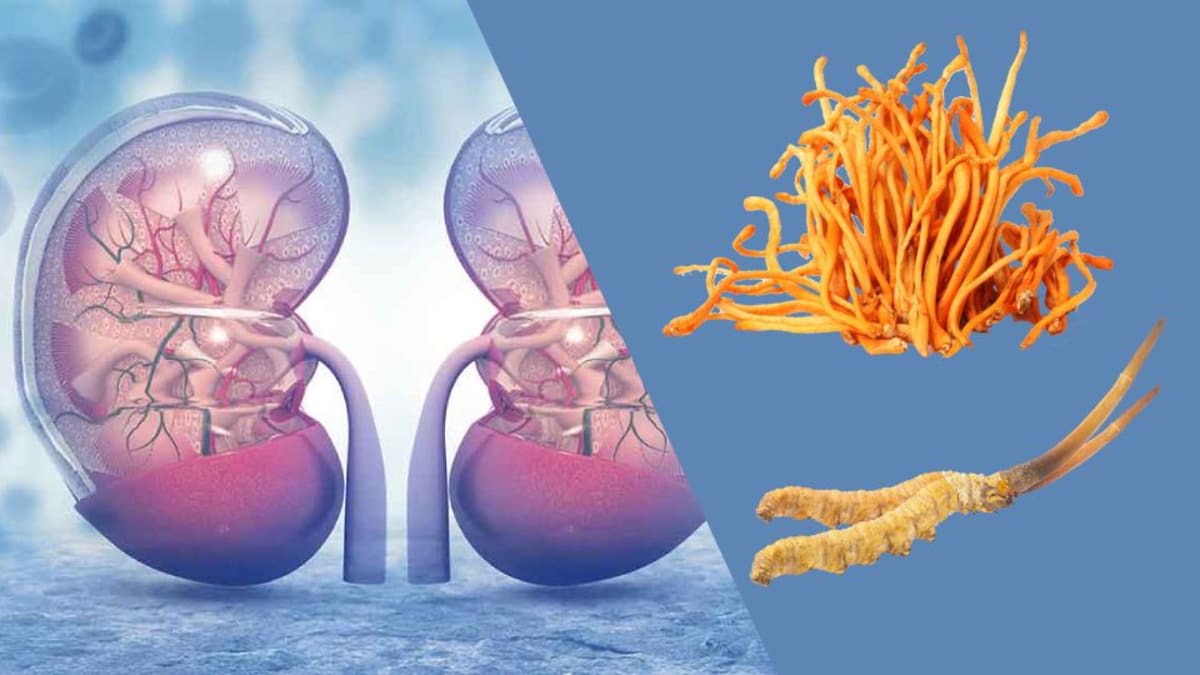
Cordyceps supplements have a complicated relationship with kidney health. Traditional healers praise the fungus for supporting renal function. Human trials actually show certain extracts can lower serum creatinine. But the exact species chosen matters immensely. Recent case reports link one particular commercial strain directly to acute kidney injury. The supplement market is absolutely flooded right now with conflicting information. We dug into the latest nephrology data to separate safe clinical applications from dangerous wellness trends. Our protocol tracked recent human trials and examined a wave of toxicity reports emerging from Southeast Asia, allowing us to build a precise safety framework for anyone considering these fungi for renal support.
Patients usually hunt for alternative therapies right after a scary diagnosis. Pharmaceutical options focus exclusively on managing symptoms. They ignore the underlying cellular damage. Fungal extracts look like an easy natural solution. They promise reduced inflammation and better blood flow. Unfortunately the supplement industry fails to disclose the vast chemical differences between these strains. We found a stark dividing line in the clinical evidence. One species demonstrates genuine therapeutic potential for slowing the progression of kidney decline. A completely different species shuts the entire organ down. If you have existing kidney disease, you need medical guidance before adding any supplement, especially cordyceps, to your regimen.
Key Takeaways
- 1C. sinensis (CS-4) lowers serum creatinine, BUN, and proteinuria in chronic kidney disease patients when used as adjunct therapy
- 2C. militaris caused acute kidney injury in 11 Thai patients, with 2 requiring emergency dialysis - avoid it entirely if you have kidney disease
- 3The safe therapeutic dose of CS-4 is 1.5 to 3.0 grams daily, split across two doses, taken with food containing fat
- 4Cordyceps interacts with ACE inhibitors, immunosuppressants, and diabetic medications - always consult a nephrologist before starting
Mechanism
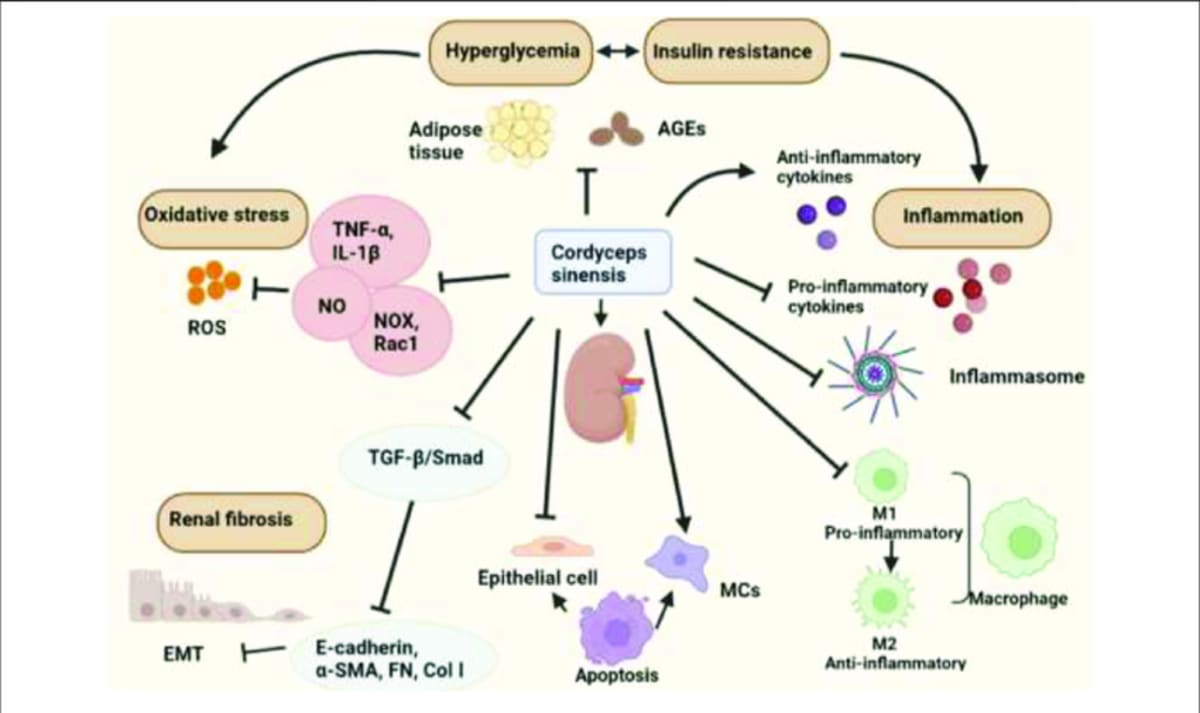
Looking at the chemistry, C. sinensis interacts directly with the kidneys through specific anti-inflammatory pathways. Chronic kidney disease involves persistent low-grade inflammation that ruins tissue over time. The fungal polysaccharides target this exact process. They suppress the TLR-four signaling pathway. This action blocks the release of pro-inflammatory cytokines like interleukin-six before they can attack healthy renal cells. Lower cellular stress preserves the delicate filtration network inside the organ.
This pathway dictates long-term health. The TLR-four protein acts as a biological alarm system. It detects tissue damage and triggers a heavy immune response. This constant state of high alert eventually destroys the local tissue. These complex sugars calm the alarm system down. They stop the cascade. This prevents scar tissue formation inside the renal tubules.
The fungus is also a potent vasodilator. Its compounds stimulate nitric oxide production. This gas relaxes smooth muscle walls. Increased blood flow to the renal arteries follows almost immediately. The kidneys require massive amounts of oxygen just to filter waste from the bloodstream efficiently. When circulation improves the overall burden on the organ drops.
Researchers originally tested the fungus on diabetic mice and observed large drops in scar tissue. Human biology is obviously far more complex. Yet the underlying pharmacological action remains fairly consistent across recent medical literature. These active metabolites act as a shield against oxidative stress while expanding the physical capacity of local blood vessels so the organ has a far better environment to filter toxins out of the blood without succumbing to the persistent inflammatory pressure that typically accelerates the progression of chronic renal failure over decades.
Clinical Benefits and Evidence
Traditional Chinese medicine practitioners originally prescribed wild caterpillar fungus to treat deep exhaustion. We finally have modern data to back it up. A 2024 meta-analysis published in Frontiers in Pharmacology reviewed fifteen clinical trials. The researchers tracked 1,310 patients living with varying stages of kidney dysfunction. They found that taking a fermented C. sinensis extract alongside standard medical care produced measurable improvements in blood markers.
The patients saw real reductions in serum creatinine. High creatinine is a serious warning sign. It indicates the kidneys are failing to filter muscle waste from the blood. Those same trials showed a consistent drop in blood urea nitrogen. Lowering these two specific markers proves that the physical filtration rate is actually improving. The researchers also measured a decrease in proteinuria. Less protein leaks into the urine.
Diabetic nephropathy makes up a huge portion of chronic kidney failure cases. High blood sugar just destroys tiny blood vessels. The 2024 review noted that diabetic patients combining the extract with standard angiotensin-converting enzyme inhibitors experienced a steeper drop in blood urea nitrogen compared to patients taking the medication alone, demonstrating a clear complementary effect between the natural fungal supplement and the standard pharmaceutical intervention.
Trial data points to a serious reduction in systemic inflammation. The trials tracked high-sensitivity C-reactive protein levels over several months. Patients taking the sinensis extract showed consistently lower numbers across the board. Less inflammation translates directly to a much slower rate of tissue degradation. The extract does not reverse kidney disease. It operates strictly as an adjunct therapy. Patients experience less physical fatigue while their filtration markers stabilize over a period of several months.
The Militaris Warning
Here is where the species distinction becomes an actual matter of life and death. The therapeutic benefits discussed above apply strictly to C. sinensis. Meanwhile the commercial supplement market is completely dominated by C. militaris. This cheaper alternative carries severe risks. We tracked a highly disturbing 2022 case series out of Thailand. Eleven patients developed acute kidney injury right after taking militaris supplements. This reveals a massive blind spot in the wellness industry where consumers just blindly trust that all medicinal mushrooms are perfectly safe for every organ system.
Five of those patients already had chronic kidney disease. The supplements pushed their fragile organs right over the edge. Two of the eleven patients suffered such intense toxicity they required emergency dialysis. Researchers used the Naranjo algorithm to assess causality. They found a probable relationship between the acute injury and the daily extract. The injuries occurred consistently between 2018 and 2021.
The toxicity likely stems from a compound called cordycepin. C. militaris contains exceptionally high amounts of it. High doses of cordycepin inhibit cyclooxygenase-two. This mechanism restricts blood flow to the kidney tubules, literally starving the organ of oxygen and causing rapid cellular death before the patient even realizes their daily wellness routine is destroying their internal filtration system. Cyclooxygenase-two normally helps regulate blood flow by dilating blood vessels when the organ needs more oxygen. Inhibiting this enzyme creates a sudden state of ischemia. The tissue just begins to die off.
Drug Interactions
Even the safe CS-4 strain requires careful medical management. The fungus interacts strongly with common pharmaceuticals. It enhances the blood-pressure-lowering effects of angiotensin-converting enzyme inhibitors. Combining the two can cause blood pressure to drop unsafely low, creating a sudden fainting risk for older adults who already struggle with systemic circulation issues and rely on stable cardiovascular pressure just to stay upright throughout the afternoon.
Cordyceps also stimulates the immune system. This action directly opposes anti-rejection medications. Activating the immune cells could theoretically cause the body to attack a transplanted organ. The fungus increases macrophage activity and basically forces the immune system to recognize foreign tissue. Proceed with extreme caution. Never add a medicinal mushroom to any prescription regimen without consulting a board-certified nephrologist first. Your kidney function and medication balance depend on professional medical guidance.
Diabetic patients face a slightly different set of interaction risks. The mycelium naturally lowers blood glucose levels. Taking it alongside insulin or metformin can trigger severe hypoglycemia. Blood sugar can crash unexpectedly. Patients must monitor glucose levels closely if combining these treatments since the dosage of the pharmaceutical drug frequently requires an immediate downward adjustment.
How to Take It
Patients wanting to support kidney health have to source the correct product. Look exclusively for CS-4. This is a clean liquid fermentation of the C. sinensis mycelium. It perfectly mimics the chemical profile of the wild caterpillar fungus without the prohibitive financial cost or the heavy metal contamination risks that routinely plague raw materials sourced directly from the Tibetan plateau. Ignore any product labeled militaris.
The therapeutic dose ranges from 1.5 to 3.0 grams daily. Split this into two distinct doses. Take the first dose in the morning and the second dose in the early afternoon. Do not take it right before bed. The mild stimulating effect can really disrupt sleep patterns.
Always consume the extract powder with real food. It absorbs much better alongside dietary fat. Mix the powder into a morning smoothie or just stir it into warm water. Do not rely on commercial coffee blends. Mushroom coffees rarely contain a high enough dose of the active mycelium to produce a therapeutic effect, and the caffeine is a diuretic that forces the kidneys to work way harder than necessary while dehydrating the entire body. When purchasing a supplement you must demand third-party lab testing. The label has to explicitly state the species. If the bottle simply says "Cordyceps" without identifying the strain, put it back on the shelf. It is almost certainly the cheaper militaris variety masquerading as the real thing.
Frequently Asked Questions

A dedicated wellness researcher who spent decades cataloging the impact of forest-based nutrition on human aging. Ashley doesn't care about trends; she cares about the data.
References & Further Reading
- Frontiers in Pharmacology 2024 — Frontiers in Pharmacology (2024)
- Research Square 2022 — Research Square (2022)