 Mushroom Health Hub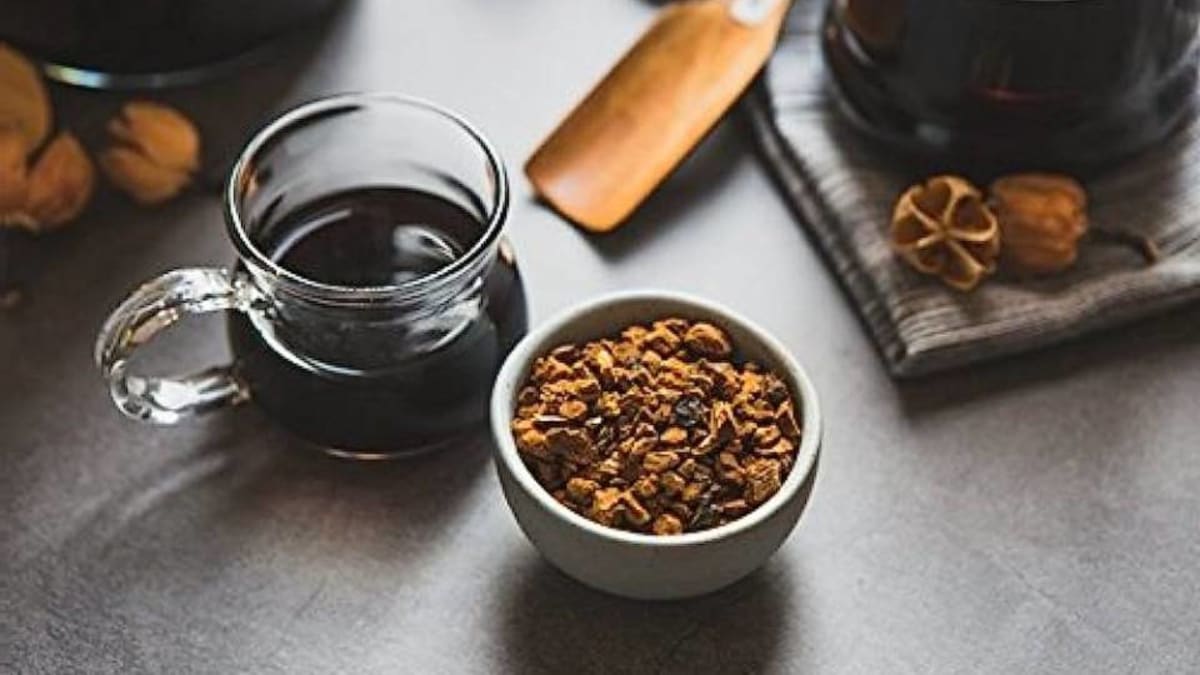
Making chaga tea requires patience. You either boil rough wild chunks for two hours or dissolve extract powder in hot water for about six minutes. We tested dozens of batches and reviewed the latest extraction science to build a protocol that actually breaks open those stubborn chitin cell walls, releasing the immunomodulating beta-glucans and polysaccharides right into the rich liquid without destroying them in the process. Boiling water isn't the enemy here. It is the key. We dive into the commercial powders too. A 2022 study in Molecules proved that a 100-degree Celsius bath for just six minutes maximizes the yield of anti-inflammatory compounds when using extract powder.
Key Takeaways
- 1Raw chunks require 90 minutes at 80°C - the heat melts chitin walls and releases trapped beta-glucans
- 2Extract powder needs full boiling water (100°C) for six minutes to maximize anti-inflammatory yield
- 3Used chunks can be re-brewed two to three times - freeze between sessions to prevent mold
- 4Avoid dairy milk - the proteins bind polyphenols and block gut absorption of antioxidants
What You Need
We rely heavily on a digital kitchen thermometer. Precision matters. We found that hitting the exact heat window dictates whether the polysaccharides end up in the mug or stay locked away inside the hard cellular matrix of the raw wild fungi.
Raw Chaga Chunks or Extract Powder
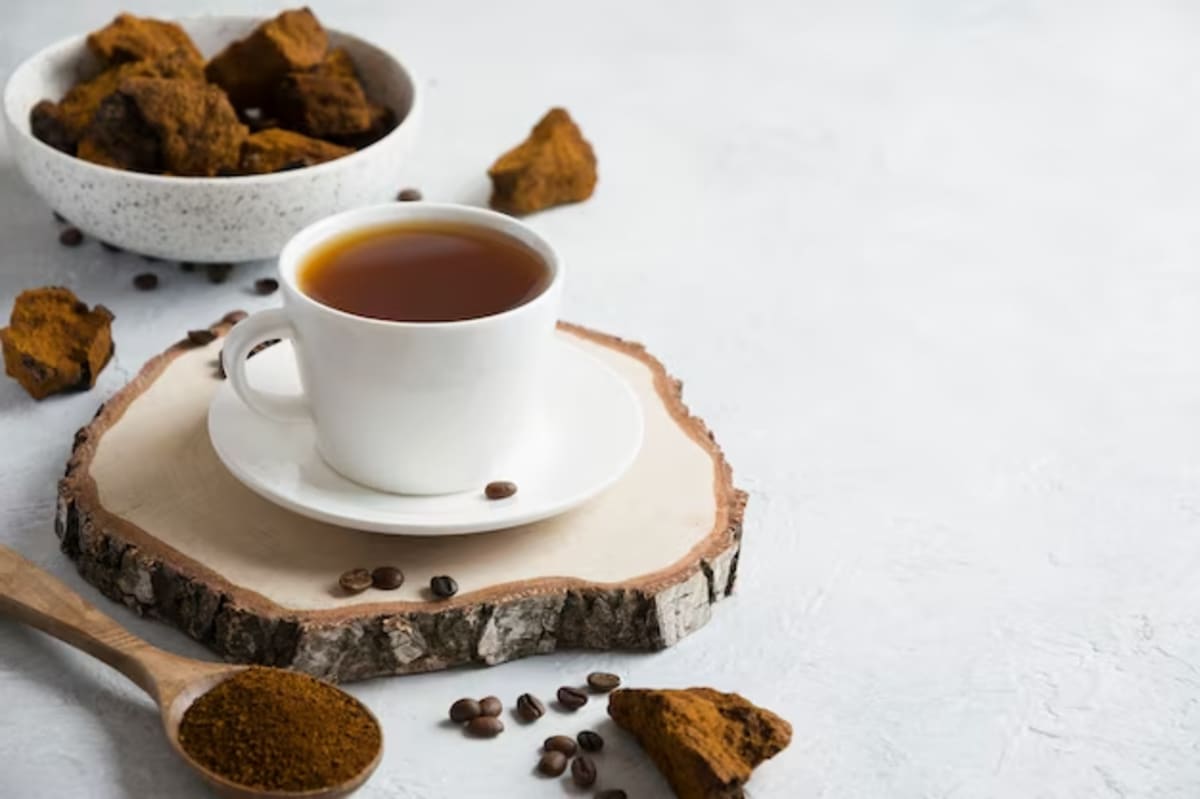
There are two routes to go down. Raw chunks are literal pieces of wild-foraged sclerotia that look a bit like burnt wood on the outside and crumbly orange cork on the inside. We boil these hard pieces for hours to tear apart the dense physical structure and coax the compounds out. Extract powders are the shortcut. Suppliers have already run the mushroom through an intense hot water or dual alcohol extraction and dehydrated the opaque liquid into a highly soluble dust.
Filtered or Spring Water
Water makes up ninety-nine percent of the drink. Skip the tap. Municipal water carries chlorine and heavy metals that interact weirdly with the delicate phenolic structures we are trying to isolate. Use filtered water for an entirely clean extraction, but spring water also brings in some trace minerals that pair nicely with the earthy flavor profile.
Fresh Lemon Juice (Optional)
Citrus lowers the pH of the pot. A 2021 study published in Antioxidants demonstrated that an acidic environment combined with high temperatures increases the extraction yield of fat-soluble vitamins. Squeeze half a lemon directly into the boiling water because the acid effectively pulls those stubborn fat-soluble vitamins out of the thick mushroom matrices and straight into the ink-like tea.
Heavy Saucepan or Slow Cooker
Flimsy aluminum pots lose heat way too fast. A thick cast iron or solid stainless steel saucepan with a very tight lid prevents the water from evaporating over the long two-hour simmer, since losing moisture drops the yield and intensely concentrates the sharp medicinal flavors. A slow cooker is an amazing alternative.
Fine Mesh Strainer or Coffee Filter
Raw pieces always leave behind a fine dusty grit. Pour the black liquid through a metal fine mesh strainer to catch the big chunks, then run it through a paper coffee filter for a silky smooth cup.
Step-by-Step Instructions
We change up the workflow depending on what is in the pantry. Raw chunks demand an afternoon. Powders dissolve in seconds. We broke this down into five different methods so you can adapt based on the materials at hand and ensure that the maximum amount of beta-glucans actually makes it into the body.
Method 1 - Brewing Raw Chaga Chunks
Step 1 - Break the chunks Take a standard hammer and smash the chaga into one-inch pieces. Small pieces expose way more surface area to the heat. Wrap the hard sclerotia in a thick towel before swinging the hammer which keeps the black shards from rocketing across the kitchen counter.
Step 2 - Heat the water Bring four cups of filtered water to a simmer in a heavy saucepan. Keep it around 80 degrees Celsius. Don't let it hit a rolling boil just yet.
Step 3 - Simmer the mushroom Toss the broken pieces into the hot water and hold that heat steady for at least 90 minutes. A 2021 study in the journal Antioxidants found that a hot water extraction at 80 degrees Celsius for 1.5 hours yielded the highest volume of beta-glucans.
Step 4 - Strain and store Pass the earthy extraction through a fine mesh strainer into a large mug. Let it cool slightly. Dry the leftover chunks out on a paper towel. They get reused two more times later in the week. Store any extra tea in the fridge for up to three days.
Method 2 - Brewing Chaga Extract Powder
Step 1 - Measure the dose Drop one teaspoon of the extract powder into a mug. Use a precise scale if you have one. Two grams is the standard daily dose.
Step 2 - Add hot water Pour eight ounces of actual boiling water straight over the powder. A 2022 study in the journal Molecules demonstrated that steeping powder in 100-degree Celsius water for six minutes produced the highest concentration of anti-inflammatory compounds, easily outperforming the cooler temperatures.
Step 3 - Stir and drink Agitate the liquid until the fine dust fully dissolves. Never strain this version. The powder incorporates flawlessly into the water.
Method 3 - Spiced Chaga Chai
Step 1 - Prepare the spices Gather whole cinnamon, fresh ginger, cardamom pods, and cloves. Fresh aromatics build the best flavor profile. Use one thick cinnamon stick, about an inch of sliced ginger root, and just a pinch of the others to add warming notes that cut through the earthy mushroom base.
Step 2 - Brew the base Follow the raw chunk method above. Aim for a highly concentrated black liquid, so boil the chunks for a full two hours to extract the maximum yield of beta-glucans and polysaccharides before introducing any competing ingredients.
Step 3 - Infuse the spices Throw the spices into the bubbling liquid during the final thirty minutes of the boil. Never add them earlier. This specific timing prevents the delicate aromatic compounds in the ginger from evaporating away into the kitchen air so the final cup retains a sharp, punchy flavor profile.
Step 4 - Add plant milk Pull the pot off the stove. Strain the hot liquid into two large mugs and vigorously stir in a quarter cup of thick oat milk. The fat from the plant milk neutralizes the natural woodsy bitterness.
Method 4 - Extended Slow Cooker Extraction
Step 1 - Load the slow cooker Drop four raw chunks into the basin. Pour in two liters of filtered water. This setup is brilliant for bulk meal prep.
Step 2 - Set the temperature Flip the machine to the low setting. Most slow cookers hover right around 80 to 90 degrees Celsius on low, which conveniently matches the ideal extraction temperature for drawing out beta-glucans without totally degrading the raw material over a long afternoon. Let it run for four to six hours.
Step 3 - Monitor the water level Peek into the pot halfway through the afternoon. Pour in more filtered water if the liquid line dips below the floating mushrooms, but the thick glass lid usually traps most of the moisture inside.
Step 4 - Batch and bottle Kill the heat and fish out the large chunks with metal tongs. Funnel the leftover liquid through a paper filter directly into glass bottles that sit in the fridge for cold drinking throughout the week.
Method 5 - Iced Chaga Lemonade
Step 1 - Brew a concentrate Start with the extract powder method. Dump two heaping teaspoons of powder into just eight ounces of boiling water. An aggressively strong base liquid is needed because the ice cubes will rapidly dilute the final drink as they melt inside the glass pitcher. Let this pitch-black concentrate cool all the way down to room temperature.
Step 2 - Add lemon and sweetener Transfer the cooled concentrate into a big glass pitcher. Squeeze the juice of two whole lemons straight in. Whisk in two generous tablespoons of maple syrup. The sweetness balances the bitter mushroom and tart citrus to create a smooth beverage that hides the earthy fungi flavor from picky drinkers.
Step 3 - Dilute and chill Pour in three cups of cold filtered water. Load the container up with fresh ice cubes. Stir the liquid rapidly until the outside of the glass fully frosts over.
Step 4 - Serve cold Divide the chilled mixture into tall glasses. Wedge a fresh lemon slice onto each rim. This iced version delivers the immunomodulating benefits of hot tea during sweltering summer afternoons.
Common Mistakes
We constantly see wellness blogs claiming that boiling water destroys the antioxidants in the mushroom. They are wrong. A 2022 study published in Molecules tested various water temperatures and found that 100-degree Celsius water applied to powder for exactly six minutes maximized the yield of anti-inflammatory compounds, which proves that aggressive hot extraction is absolutely necessary to access the medicinal components. High heat is mandatory. The intense temperature melts away the tough chitin walls. Soaking chunks in warm water for ten minutes produces nothing but mildly flavored brown water with zero medicinal benefits.
People also throw away raw chunks after a single use. Don't do that. The dense woody structure holds onto beta-glucans with an iron grip. We boil the exact same pieces up to three times before they finally surrender all their water-soluble elements. Toss the wet used pieces into a freezer bag between brewing sessions so they don't grow mold.
Another massive error is pouring regular dairy milk into the pot. Cow milk proteins physically bind to the polyphenols floating in the tea. Skip the dairy entirely because that binding action stops the human digestive tract from actually absorbing the antioxidants. Pour in a splash of oat or almond milk instead. Plant milks deliver a rich creamy mouthfeel without blocking absorption in the gut. This bioavailability principle applies to all chaga preparations, not just tea.
Frequently Asked Questions

A dedicated wellness researcher who spent decades cataloging the impact of forest-based nutrition on human aging. Ashley doesn't care about trends; she cares about the data.
References & Further Reading
- Molecules 2022 — Molecules (2022)
- Antioxidants 2021 — Antioxidants (2021)