 Mushroom Health Hub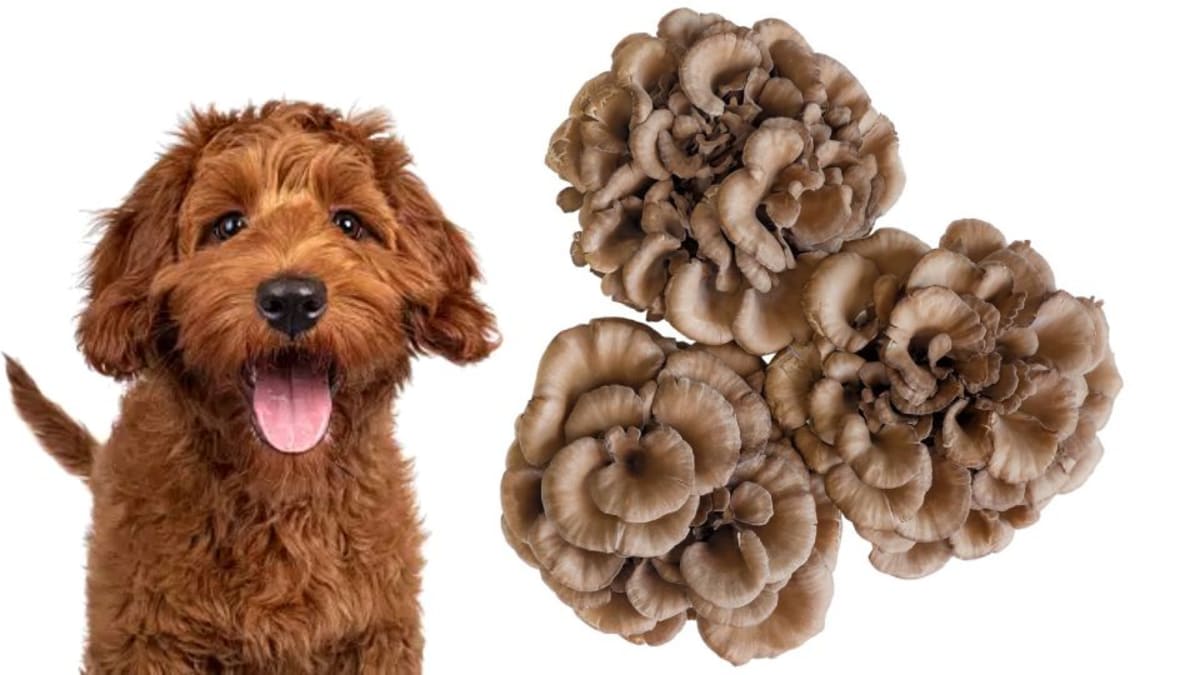
Yes, dogs can eat maitake mushrooms. They are safe. Always use simple, cooked grocery store varieties or specialized veterinary extracts. These fungi hold high levels of beta-glucans that support canine immune function while helping the animal's body regulate blood sugar levels during regular metabolic processes, though clinical veterinary research remains in its early stages and we still have much to learn. Never feed dogs wild mushrooms.
Key Takeaways
- 1Store-bought cooked maitake is safe for dogs - never serve raw, and always prepare plain without garlic, onion, butter, or salt which trigger hemolytic anemia and acute liver failure
- 2The D-fraction extract killed 90% of canine lymphoma cells in a 2004 petri dish trial, but a 2007 clinical trial found zero of 15 enrolled dogs experienced measurable tumor shrinkage - use only as adjunct support alongside conventional veterinary treatment
- 3The 2007 canine lymphoma trial dosed at 3 drops per kilogram of body weight daily, split into two doses given one hour before meals - this is the closest thing to an evidence-based clinical guideline currently available
- 4Maitake's blood-glucose-lowering effect can cause acute hypoglycemia in diabetic dogs on insulin - always consult a veterinarian before combining this fungus with prescribed diabetes medications
The Nutritional Profile of Maitake for Dogs
We look at mushrooms for their unique macronutrients. They feed the gut. Humans might prize hen of the woods for its rich earthy taste, but dogs benefit purely from what sits inside the cell walls. A single serving of unseasoned cooked maitake delivers a low-calorie source of easily fermentable dietary fiber that nourishes the beneficial bacterial colonies thriving inside the dog's lower intestinal tract and promotes optimal digestive health.
The fungus also packs a solid supply of B vitamins. Riboflavin and niacin help convert standard kibble into usable cellular energy. We find this metabolic support incredibly valuable for working breeds or high-energy dogs that burn massive amounts of calories during intense training sessions or long hikes. Copper supports bone formation. Potassium maintains proper heart rhythm and nerve function across the central nervous system.
We never treat fungi as a primary canine vitamin source. Dogs need meat. Still, using these nutrient-dense caps as an occasional dietary topper provides functional micronutrients without dumping unnecessary fat or sugar into the animal's feeding schedule.
How Maitake Impacts Canine Health
Immune System Modulation
We track how plant compounds interact with mammalian immune networks. Maitake mushrooms bring complex polysaccharides to the table. These molecules are massive and incredibly dense. When a dog consumes these specific carbohydrates, the compounds bind directly with receptors lining the gut wall. This interaction wakes up macrophages and T-cells. These specialized white blood cells identify and destroy pathogens floating in the bloodstream.
The immune system relies heavily on these defensive cells to maintain daily homeostasis, helping the body fend off bacterial infections and navigate sudden environmental stressors. Veterinary immunologists classify these fungal compounds as biological response modifiers. Synthetic antibiotics target individual bacteria to clear an infection. Modifiers take an entirely different path. They train the animal's innate immune system to recognize and attack foreign invaders more efficiently on its own, and in canine models we see beta-glucan supplementation increase immunoglobulin levels while improving overall white blood cell activity.
Cancer Research, Laboratory vs. Clinical Reality
People often turn to medicinal fungi after a devastating pet cancer diagnosis. We see this constantly. Hope is a powerful driver. Laboratory data certainly provides a compelling proof of concept for the anti-tumor properties of the maitake D-fraction. A 2004 in vitro study in Veterinary Therapeutics evaluated this exact concentrated extract. Researchers tested it against lymphoma and fibrosarcoma cells in a petri dish. The extract killed up to ninety percent of those malignant cells within twenty-four hours in the controlled laboratory environment.
Clinical reality paints a much harsher picture. A 2007 prospective clinical trial at the Cummings School of Veterinary Medicine evaluated a proprietary liquid extract called Maitake PETfraction as a sole therapeutic agent in fifteen dogs diagnosed with advanced lymphoma. The results were sobering. Veterinary researchers monitored the enrolled animals by measuring lymph node sizes and tracking white blood cell counts at weeks two, four, eight, and twelve.
Not a single dog experienced an objective tumor shrinkage of greater than fifty percent. Thirteen of the fifteen dogs developed progressive disease before the fourth week of treatment even finished. The median treatment duration lasted just twenty-seven days. Two dogs actually developed hyphema during the trial, which is bleeding inside the eye. The researchers could not determine if this alarming symptom stemmed from progressive lymphoma or was a rare adverse reaction to the fungal extract itself. The trial did confirm one useful safety metric despite the disappointing efficacy outcomes. The animals largely tolerated the liquid, and owner questionnaires confirmed minimal adverse side effects throughout the testing period.
Blood Sugar and Metabolic Support
Canine diabetes requires intense veterinary oversight. Diet matters more than anything. The beta-glucans locked inside the rigid cell walls of this fungus help diabetic animals manage everyday blood glucose fluctuations. These complex carbohydrates physically slow down sugar absorption. That mechanism prevents the sharp post-meal insulin spikes that make long-term diabetes management so difficult.
Researchers attribute this regulatory power to a polysaccharide component that fundamentally alters how the canine stomach processes starches during digestion. The mushroom actually delays gastric emptying. This delayed process ensures glucose enters the bloodstream at a slow, manageable trickle rather than a flood. A steady absorption rate protects the fragile pancreas by preventing the whole system from being overwhelmed all at once. We always advise pet owners to monitor diabetic dogs closely when introducing these functional compounds. Watch the dog carefully. The natural ability to lower blood sugar could cause acute hypoglycemia if combined directly with prescribed veterinary insulin injections.
Skin and Coat Health
A healthy coat reflects internal vitality. Fungi provide excellent baseline support. Maitake delivers a rich concentration of antioxidants, including phenols, flavonoids, ergothioneine, and ascorbic acid, which work together to neutralize the oxidative free radicals that routinely damage delicate canine skin cells throughout the aging process. The mushroom also brings natural antibacterial properties that help maintain a balanced skin microbiome.
This topical harmony prevents minor seasonal hot spots from developing into major bacterial infections that require antibiotics. When dogs consume these nutrients regularly, the resulting antioxidant cascade helps reduce systemic inflammation. Internal inflammation almost always manifests outwardly as excessive shedding, itching, and flaky dry patches. Lowering the overall inflammatory burden helps the dog grow a stronger, healthier coat. We regularly watch dull, brittle coats transform into glossy, resilient fur when owners simply add functional mushrooms to a high-quality, meat-based canine diet.
Common Mistakes When Feeding Dogs Mushrooms
People often cause unintentional harm to their pets. We see the same predictable errors over and over. The most frequent mistake involves treating medicinal fungi like ordinary dog biscuits rather than potent biological supplements that require careful, measured dosing protocols based on the animal's exact body weight.
Owners read about the health benefits online. They toss a large handful of raw mushrooms straight into the animal's food bowl. This raw dose usually triggers an immediate and severe gastrointestinal purge. Dogs completely lack the specialized digestive enzymes required to break down the tough raw chitin found in fungal cell walls. Cooking eliminates this danger entirely.
Another critical mistake happens right at the stove. People automatically reach for the garlic powder, salt, onions, and butter because that is exactly how we prepare culinary mushrooms for our own dinner plates, completely forgetting that dogs process food differently. Canine metabolism simply cannot process these common kitchen ingredients. Garlic and onions contain toxic compounds that actively destroy canine red blood cells. This triggers a life-threatening condition called hemolytic anemia requiring emergency veterinary intervention and blood transfusions just to survive. You must serve the cooked fungi completely plain.
Finally, owners sometimes grab cheap supplements formulated for human consumption off the grocery shelf. Human supplements frequently contain xylitol, artificial flavorings, chemical preservatives, or high-proof alcohol bases that cause sudden liver failure in dogs. Always buy products explicitly labeled for animal use.
Types and Forms of Maitake for Dogs
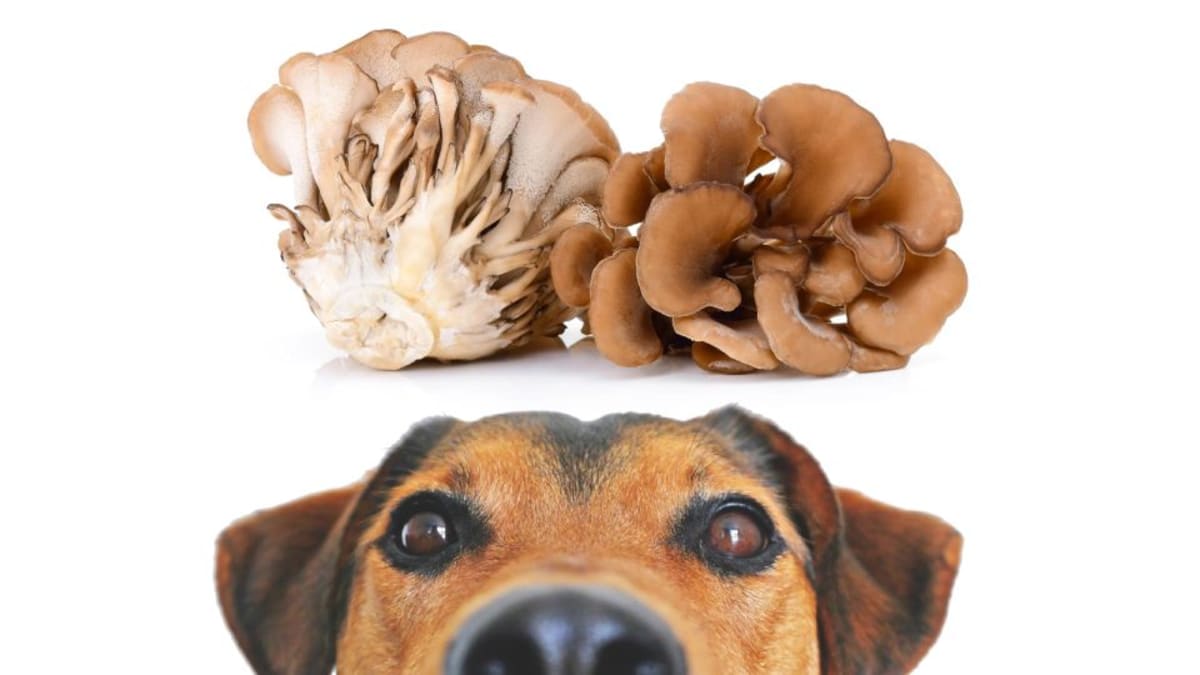
Format dictates absorption. Whole mushrooms behave differently than extracts. Store-bought fresh maitake provides excellent whole-food nutrition, giving the dog dietary fiber, vitamin D, potassium, and amino acids. We like to increase the natural vitamin D2 content of fresh fruiting bodies before using them. Just slice them and place the pieces gill-side-up in direct sunlight for two hours before cooking. Dried grocery store varieties offer the exact same nutritional profile but demand a thirty-minute soaking period in warm water to properly rehydrate the tough fibers before you turn on the stove.
For targeted health support, we strongly recommend standardized veterinary extracts. These concentrated formulas isolate the active beta-glucans and D-fraction compounds while completely removing the indigestible chitin fiber that often causes stomach upset in sensitive dogs. Commercial pet chews and liquid tinctures provide reliable, measurable dosing that whole foods simply cannot match. If a dog requires immune support during conventional medical treatments, a standardized liquid extract allows for precise weight-based administration without adding unnecessary bulk to their food bowl. We prefer these liquid formats for sick animals. They bypass the digestive limitations of the canine stomach and ensure maximum bioavailability of the therapeutic polysaccharides when the dog needs them most.
Preparation and Dosage Guidelines
Proper preparation prevents toxicity. Raw fungi pose a serious hazard. Dogs completely lack the digestive enzymes necessary to break down raw chitin. Feeding it raw will trigger painful gastrointestinal distress and violent vomiting. You prepare whole grocery store mushrooms by chopping the fruiting bodies into tiny, chewable pieces. Cook them thoroughly using dry heat or a small splash of dog-safe bone broth.
Do not use butter. Never add human seasonings. Garlic, onions, chives, and table salt are highly toxic to canines.
Dosage depends entirely on the format you choose and the physical size of the dog. For cooked whole mushrooms, strict moderation is the rule. Feed 0.5 grams daily for small breeds. Medium dogs can safely handle one gram. Large breeds tolerate up to two grams per day. Just mix these cooked pieces right into their regular wet or dry food.
For veterinary extracts, we follow the established clinical guidelines. The 2007 canine lymphoma trial utilized a precise dosage of three drops per kilogram of body weight daily, divided into two separate doses given one hour before regular feeding times. Start with a fraction of the recommended dose when introducing any new functional supplement. Monitor their stool quality carefully over the first few days. Watch their energy levels. If you observe loose stools or unexpected lethargy, discontinue the supplement immediately.
Safety and Serious Concerns
This fungus carries specific risks despite its general safety profile. Wild sourcing is reckless. You must never forage for mushrooms to feed a pet. The woods contain toxic lookalike species that cause sudden organ failure and death in canines. Only serve mushrooms purchased from a reputable grocery store or regulated supplement supplier.
Because maitake acts as a biological modifier, we monitor two main contraindications. First, the natural beta-glucans can lower blood glucose. Healthy dogs tolerate this minor drop without any issue. However, if a dog has diagnosed diabetes and takes prescription insulin, adding this fungus could trigger a dangerous hypoglycemic episode that requires emergency glucose administration. Second, the mushroom has mild hypotensive properties. Dogs with naturally low blood pressure or those taking cardiovascular medications should avoid this supplement entirely.
Pregnant or lactating females should steer clear of all medicinal fungi. Safety data regarding fetal canine development simply does not exist yet. Skip this supplement if a dog has a known bleeding disorder. The active compounds can potentially slow down blood clotting times. We always consult a primary veterinarian before mixing biological supplements with pharmaceutical cancer treatments, as immune-stimulating compounds can occasionally interfere with the intended immunosuppressive mechanisms of certain conventional chemotherapy protocols. For more background on maitake's benefits in canines, our article on turkey tail mushroom for dogs covers closely related clinical trial data.
Frequently Asked Questions

A dedicated wellness researcher who spent decades cataloging the impact of forest-based nutrition on human aging. Ashley doesn't care about trends; she cares about the data.
References & Further Reading
- Journal of Veterinary Internal Medicine 2007 — Journal of Veterinary Internal Medicine (2007)
- Veterinary Therapeutics 2004 — Veterinary Therapeutics (2004)